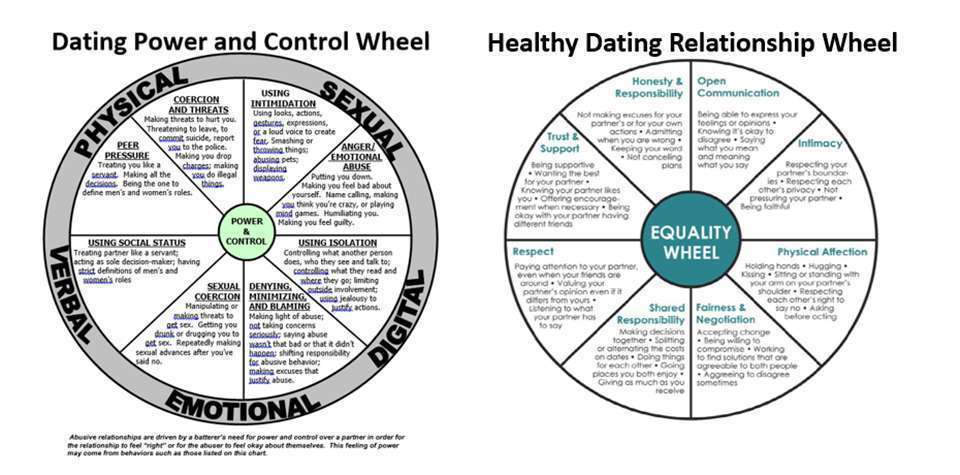
Recognizing the distinctions among healthy, unhealthy, and abusive relationships is vital. A healthy relationship embodies open communication, mutual respect, trust, honesty, equality, respect for boundaries, joint decision-making about sex, equal sharing of financial responsibilities, and collaborative parenting.
On the other hand, an unhealthy relationship lacks these essentials. It may feature ineffective communication, disrespect, mistrust, deceit, inequality, boundary violations, unequal financial responsibilities, and minimal support in parenting. Understanding these disparities empowers individuals to make informed choices about their relationships and seek assistance if necessary.
The Parable of the Two Mirrors
A traveler once set out in search of true love. Along the way, they encountered two mirrors. One mirror was grand and ornate, reflecting an image of the traveler that was flawless and perfect. The other mirror was simple, with a slight crack, but it showed the traveler exactly as they were—flaws and all.
The traveler was drawn to the grand mirror at first, captivated by the perfect image. But as they gazed into it, they felt a growing sense of unease. The reflection seemed distant and unreal, and it made them feel hollow inside.
Curious, the traveler turned to the simple mirror. This time, they saw their true self—their strengths, weaknesses, and everything in between. At first, they hesitated, but then a sense of peace washed over them. The reflection was authentic, and it felt real.
The traveler realized that while the grand mirror offered a pleasing illusion, it could never show the depth and truth of who they were. The simple mirror, though imperfect, reflected them honestly, and in that honesty, they found a true connection.
Understanding this, the traveler chose to continue their journey, seeking relationships that were like the simple mirror—authentic. They knew that only in these relationships could they find the genuine love they sought, where both partners could be their real selves.
Authentic love is found in relationships where both people see each other as they truly are, flaws and all. It’s better to choose a relationship that reflects your true self than to chase the illusion of perfection.
Unhealthy Relationship Signs
In an unhealthy relationship, there may be no communication at all, leading to no discussions or arguments. Both partners might show disrespect and thoughtless behavior. Trust issues, invasion of privacy, lying, and dishonesty could also be present. One partner may try to control everything, putting their needs above their partner’s.
Moreover, spending time only with one partner or their friends, along with pressuring the other into sexual activities or guilt-tripping them, is common. One partner might ignore the other’s boundaries. Additionally, one partner may control all financial decisions, causing more problems, and financial matters may not be talked about openly.
Abusive Relationship Signs
In an abusive relationship, the abusive partner mostly communicates by arguing, threatening, insulting, demanding, or using hurtful tactics. This creates a hostile atmosphere where the victim feels constantly attacked and belittled. Additionally, they mistreat their partner, ignoring their feelings, thoughts, decisions, opinions, and safety. They make baseless accusations of cheating and may even invade privacy to check for signs of infidelity. Abusers also avoid taking responsibility by blaming others and making excuses, which keeps the cycle of abuse going.
Furthermore, they exert total control over decisions, isolate their partner from support systems, and control activities, relationships, and communication. They might demand access to phones, monitor locations, invade privacy, and limit freedom. Requiring shared social media accounts also limits privacy and support, adding to their control. Moreover, they may coerce sexual activities without consent, even within marriage, violating personal boundaries.
Additionally, they control finances by limiting income access, preventing work, or quitting jobs to create dependency. This financial manipulation traps the victim and makes it hard for them to seek help. They also use manipulative parenting, using children to gain power, spreading lies or negativity about the other partner, and creating a toxic family environment.
Understanding Healthy Relationship Dynamics
We all make mistakes because nobody is perfect. What’s important is knowing when we’re wrong and being able to fix it. In a good relationship, talking openly, trusting each other, and being honest is very important for solving problems well. Forgiving each other is also really important, as it means both people are showing kindness and understanding. However, these strategies are ineffective in an abusive relationship.
The Importance of Boundaries
Setting clear boundaries is important for solving problems in a good way. Make sure both of you understand these boundaries instead of guessing. Couples need to figure out why they argue or disagree. Solving the real issue can stop fights and help you understand each other better.
Agreeing to Disagree and Compromise
There are times when it’s okay to not agree. Not every problem needs a solution, so it’s important to think about what’s important. Compromise is key in fixing relationship problems. Both people need to be ready to find a middle ground and be flexible to find a solution that works for both.
Considering Individual and Relationship Problems
It’s important to tell apart personal problems from relationship problems. Bringing past issues into a new relationship can cause unnecessary arguments. Before seeking help, figure out if the problem is something personal or related to the relationship. It might help to talk to someone on your own before getting couples counseling to deal with your own issues.
Understanding True Love
A healthy relationship isn’t about being perfect. It’s about being compatible, talking well, trusting each other, being honest and fair, and feeling love. When we truly care for each other, we communicate calmly and solve problems peacefully. Love is patient and kind, and it doesn’t try to make others jealous or selfish. We build a healthy relationship by protecting our hearts and treating each other with care and respect.
In conclusion, knowing about healthy, unhealthy, and abusive relationships is important for having good connections. A healthy relationship is all about talking openly, trusting each other, respecting one another, and sharing responsibilities equally. It’s crucial to spot signs of unhealthy or abusive relationships like lack of communication, disrespect, control, and manipulation. Setting clear boundaries, forgiving each other, and showing empathy can help build a loving and happy relationship. Remember, love should make you feel good and strong, and bring out the best in both of you, creating a safe and supportive place to grow together.