Navigating Dating after Abuse
Dating after experiencing abuse can be a daunting journey; however, taking it step by step can make the process smoother and more manageable. It’s essential to approach dating after abuse with caution, ensuring that you prioritize your emotional well-being and safety above all else. This phase should come after enough time for healing, recovery, and education about red flags of abuse and unhealthy relationships, as well as an understanding of “green flags” and what a healthy relationship should look like. Taking the time to gain this knowledge and insight prepares you for a healthier and more fulfilling dating after abuse experience as you move forward from past traumas.
The Parable of the Wounded Garden
Once, a gardener was caring for a beautiful garden filled with vibrant flowers and strong trees. However, one day, a fierce storm swept through, leaving the flowers wilted, the trees broken, and the roots exposed. The once-thriving garden was now wounded and fragile.
Heartbroken, the gardener wanted to plant new seeds right away, hoping to restore the garden’s former beauty. Yet, a wise old tree, which had survived the storm, gently advised, “Before planting new seeds, you must first heal the soil and mend the roots. If you rush, the new seeds will not take hold, and the garden will suffer again. Tend to the soil and the roots first, and only then will the garden truly flourish.”
So, the gardener listened. Over the next few months, they carefully nurtured the soil, removing debris, adding nutrients, and giving the roots time to recover. Gradually, the soil became rich and the roots grew stronger.
Finally, when the ground was ready, the gardener planted new seeds. This time, they did so with care, ensuring each sprout was well-nourished. Slowly but surely, the garden began to bloom again, more vibrant and resilient than before.
Ultimately, the gardener realized that true beauty and strength come from healing the soil and roots before planting anew.
Just as the gardener needed to heal the soil and strengthen the roots, so must we heal our hearts and repair our inner foundations after the storms of abuse. By taking the time to mend what’s beneath the surface, we can create healthy, strong, and enduring relationships.
Taking Time for Healing and Education
Before diving into the dating pool again, give yourself enough time to heal and recover from past traumas. It’s crucial to educate yourself about signs of abuse and what healthy relationships look like. Understanding these aspects can guide you in making better choices and avoiding potential pitfalls in future relationships. Additionally, consider seeking support from a therapist or counselor to work through any lingering emotional wounds and gain insights into healthy relationship dynamics.
Slow Progression for Healthy Relationships
Approach dating after abuse cautiously and allow relationships to develop naturally over time. Rushing into commitments or intimacy can be overwhelming and may not lead to a healthy partnership. Focus on building your independence and confidence before fully engaging in a new relationship. This means taking things slow, communicating openly and honestly with your potential partner, and being mindful of your own needs and boundaries. Taking this approach ensures a healthier and more stable foundation for a long-lasting and fulfilling relationship.
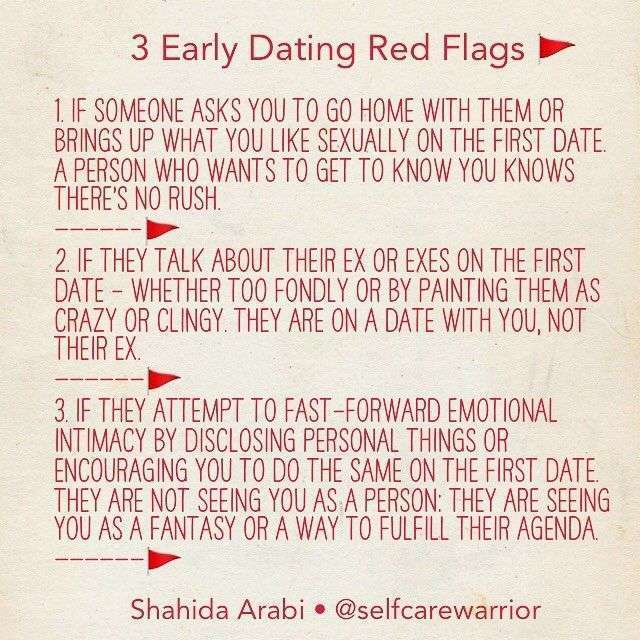
Recognizing Early Red Flags
Be vigilant for warning signs in potential partners that may indicate unhealthy behaviors or tendencies. Watch out for behaviors like excessive attention early on, constant communication, or a lack of respect for boundaries. These could be red flags that may lead to potential abuse or toxicity in the relationship. Trust your instincts and don’t ignore any gut feelings or doubts you may have. It’s important to prioritize your safety and well-being above all else.
Safe Dating After Abuse Practices
Practice safe dating after abuse by going on multiple dates with different people before committing to a serious relationship. This allows you to explore different connections and understand what you truly want and need in a partner. Choose public and comfortable settings for initial dates to ensure your safety and comfort. Take your time to get to know someone before getting emotionally or physically involved. Set clear boundaries regarding physical intimacy and avoid rushing into relationships or living together too soon. Communication is key – be open and honest with your partner about your expectations, boundaries, and past experiences to foster a healthy and respectful relationship.
Online Dating and Communication
In the digital age, online dating has become increasingly common. However, it’s important to remain cautious and prioritize safety when navigating online dating after abuse. Take the time to get to know potential partners through meaningful conversations and interactions. Trust your instincts and don’t ignore any red flags or warning signs that may arise. Remember that it’s okay to take things slow and proceed at your own pace. Prioritize your mental and emotional well-being throughout the dating process, and don’t hesitate to seek support or guidance if needed.
In conclusion, dating after abuse is a significant step in your healing journey, and it’s crucial to approach it with care and mindfulness. Taking the time to heal, educate yourself about healthy relationships, and recognize early red flags can help you navigate the dating world more confidently. Remember to prioritize your safety, well-being, and boundaries throughout this process. By practicing safe dating after abuse practices and seeking support when needed, you can create a path toward a fulfilling and healthy romantic relationship. Stay empowered and trust yourself as you embark on this new chapter of your life.