Forgiveness is a powerful tool in healing from toxic relationships. Also, it allows us to release past hurts, regain our peace, and move forward with a renewed sense of self. In this guide, we’ll explore how to forgive, let go, and move on in a balanced way, encompassing physical, emotional, and spiritual healing, without forcing reconciliation in unsafe relationships.
The Healing Power of Forgiveness
Forgiveness is often misunderstood as simply letting someone off the hook. In reality, it is much more about freeing yourself from the burdens of anger and resentment. When we hold onto grudges, we let the pain of past relationships continue to affect us. This can lead to ongoing stress and emotional turmoil, impacting our overall well-being.
For Example: Imagine carrying a heavy backpack filled with rocks. Each rock represents a hurt or resentment you’ve experienced. Carrying this weight day in and day out affects your posture, your mood, and your energy. Forgiveness is like putting down that backpack. It doesn’t change the rocks, but it does lighten your load.

Forgiveness Without Reconciliation: Forgive Without Forgetting
Forgiving someone doesn’t necessarily mean that you have to reconcile with them. Sometimes, the best decision for your mental and emotional health is to forgive and then create distance. This is particularly true in toxic relationships where reconciliation might not be safe or healthy.
Setting Boundaries: After forgiving, it’s crucial to set boundaries to protect yourself from further harm. Boundaries are not about punishing others but about maintaining your well-being. For instance, you can forgive an ex-partner for past hurts but choose not to remain in contact to prevent additional emotional strain.
I once had a client who struggled to forgive a former friend who had betrayed her trust. Eventually, she was able to forgive her friend but chose to limit her interactions. This decision helped her move on without continually reopening old wounds.
Application for Toxic Relationships
Recognizing when and how to forgive in toxic relationships is essential. Forgiveness can be a vital part of your healing process, but it must be approached with caution. If you’re dealing with ongoing toxicity, focus on your healing rather than on trying to fix the other person.
Healing Tips:
- Acknowledge Your Feelings: Firstly, start by validating your emotions. It’s okay to feel hurt and angry.
- Process the Pain: Secondly, take time to reflect on the impact the relationship has had on you. Journaling or talking with a therapist can be helpful.
- Focus on Yourself: Thirdly, prioritize your recovery and self-care. Forgiveness is about freeing yourself from the emotional grip of the past.
Holistic Steps to Forgiveness: The Healing Trinity
Forgiveness involves more than just emotional processing. It encompasses physical, emotional, and spiritual healing.
Physical Healing
Understanding the Impact: Emotional pain can manifest physically, causing issues like headaches, fatigue, and tension. So, addressing your physical health is crucial for complete healing.
Practical Tips:
- Exercise Regularly: Physical activity helps reduce stress and improves mood.
- Healthy Eating: A balanced diet supports overall well-being.
- Adequate Rest: Ensure you get enough sleep to help your body recover.
Emotional Healing
Processing Emotions: Healing emotionally involves acknowledging and working through your feelings. Techniques such as mindfulness, therapy, and self-compassion exercises can facilitate this process.
Emotional Self-Awareness: Reflect on how past experiences influence your current emotional state. Specifically, focus on recognizing patterns and triggers to better manage your responses.
Spiritual Healing
Spiritual Practices: Engaging in spiritual practices can provide comfort and guidance. So, this might include prayer, meditation, or connecting with a supportive community.
Finding Meaning: Explore how forgiveness fits into your broader life purpose. Additionally, spirituality can offer a framework for understanding and navigating your healing journey.
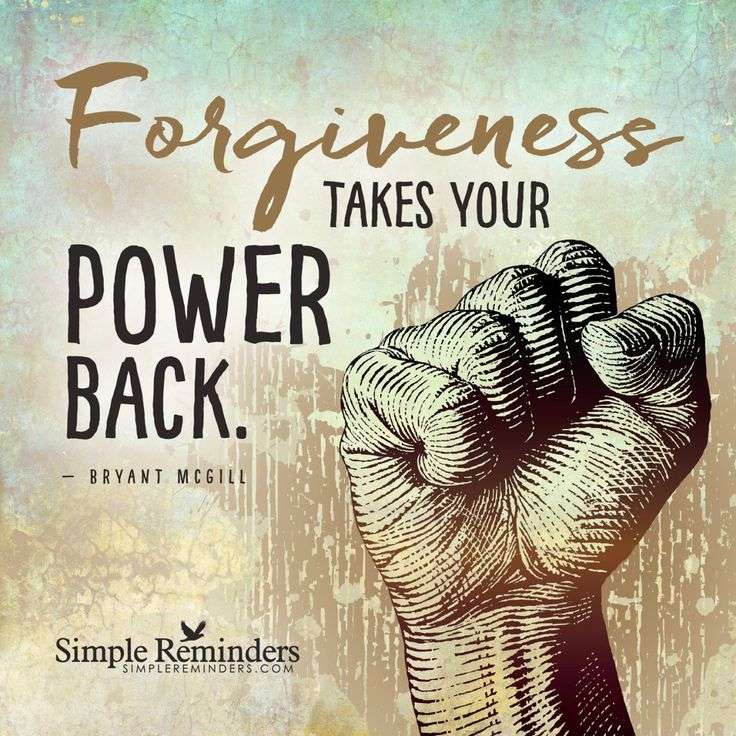
The Science of Forgiveness: Oxytocin, Dopamine, and Serotonin
Understanding the science behind forgiveness can offer additional motivation and insights into the process.
Oxytocin: The Bonding Hormone
Role in Healing: Oxytocin, often called the “love hormone,” plays a role in social bonding and emotional healing. So, engaging in positive, supportive relationships can help boost oxytocin levels.
Boosting Oxytocin: Spend time with loved ones, practice acts of kindness, and engage in physical touch like hugs to enhance oxytocin.
Dopamine: The Reward System
Emotional Resilience: Dopamine is associated with pleasure and reward. So, by setting and achieving small goals in your healing journey, you can stimulate dopamine production, which helps maintain motivation and a positive outlook.
Encouraging Dopamine: Celebrate your progress and achievements, no matter how small. Reward yourself for taking steps towards healing and forgiveness. But remember, don’t cheat yourself! Setting small, attainable goals is key to ensuring you can meet the goals, leading to a reward. But, don’t reward yourself if you don’t meet the goal.
Serotonin: The Mood Stabilizer
Maintaining Balance: Serotonin helps regulate mood and emotional stability. Engaging in activities that promote serotonin production can support your overall well-being during the healing process.
Enhancing Serotonin: Regular exercise, a healthy diet, and exposure to sunlight can boost serotonin levels. Additionally, practicing mindfulness and relaxation techniques can help stabilize your mood.
Embracing the Healing Trinity: Egos, Logos, Pathos
Egos: The Self
Managing Your Ego: Your ego, or sense of self, plays a role in forgiveness. It’s important to manage your ego to avoid letting pride or past hurts dictate your actions.
Techniques: Practice self-compassion and remind yourself that forgiving is an act of strength, not weakness.
Logos: Rational Thought
Using Reason: Rational thinking helps you understand the benefits of forgiveness and guides your decisions. Approach this process with a clear, logical perspective to avoid getting overwhelmed by emotions.
Techniques: Use journaling or cognitive behavioral techniques to explore and rationalize your feelings about forgiveness.
Pathos: Emotional Connection
Emotional Awareness: Acknowledge and address your emotions as you work through forgiveness. Integrating empathy and compassion into your process helps in healing.
Techniques: Engage in emotional exercises, such as visualization or writing letters (not necessarily to be sent), to process and release your emotions.
Practical Tips to Forgive, Let Go, and Move On
Creating a Healing Plan
- Set Clear Goals: Outline what you want to achieve through forgiveness.
- Establish a Timeline: Determine how long you expect the process to take and adjust as needed.
- Seek Support: Find a therapist, support group, or trusted friend to help you along the way.
Setting Goals for Emotional Growth
- Short-Term Goals: Focus on immediate steps like practicing self-care or reaching out for support.
- Long-Term Goals: Set goals for ongoing personal development and emotional resilience.
Finding Support
- Therapy: Consider professional counseling to navigate complex emotions and healing.
- Support Groups: Join groups where you can share experiences and gain support from others.
- Self-Help Resources: Explore books, online resources, and workshops that focus on forgiveness and recovery.
Forgive, Let Go, and Move On – A Gift to Give Yourself
Forgiving, letting go, and moving on are crucial steps in healing from toxic relationships. By understanding the healing power of forgiveness and implementing holistic strategies, you can reclaim your well-being and move forward with confidence. Remember, forgiving someone is a gift you give yourself, freeing you from the chains of past hurts and allowing you to embrace a brighter future. Start your journey today, and don’t hesitate to seek the support you need along the way.