Discover 7 powerful secrets to rebuild trust, improve your relationship, and overcome betrayal. Learn how to hack trust in healthy and toxic relationships.
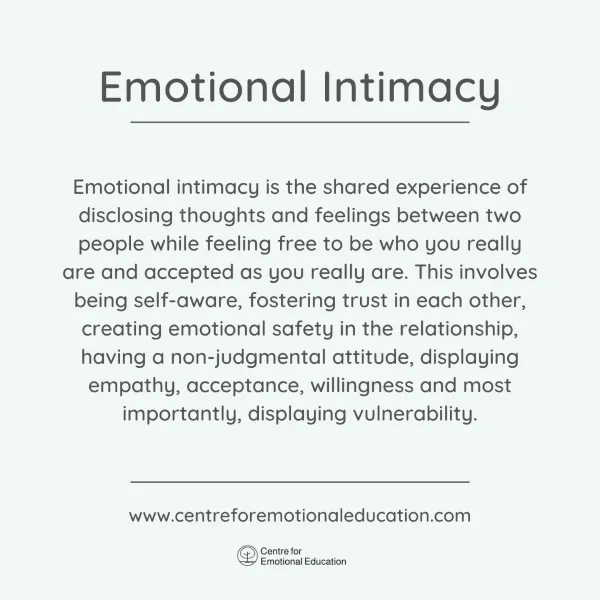
In our previous post on mutual respect, we explored how it forms the cornerstone of any healthy relationship. Respect should be freely given, but trust must be earned through consistent actions, honesty, and empathy. Trust, like love, grows with time and is nurtured by emotional intimacy and mutual understanding.
In this post, we dive deeper into seven essential practices to rebuild and strengthen relationships, highlighting the importance of boundaries and personal responsibility—concepts discussed by Cloud and Townsend in Boundaries. As they emphasize, boundaries aren’t just about saying “no” but about taking responsibility for your own emotions and actions while allowing others to do the same.
1. Consistency: Building Trust Brick by Brick
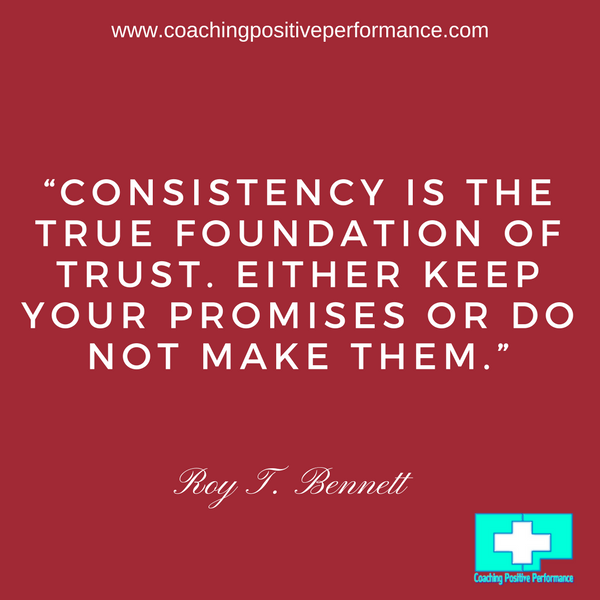
Consistency is the heartbeat of trust. When someone shows up in the ways they say they will, trust is slowly earned. It’s not about grand gestures but about the small, everyday actions that show reliability. This is what creates a foundation strong enough to weather any storm.
In spiritual traditions, we see examples of divine consistency. For instance, in the seven days of creation, each step built upon the last until everything was complete and whole. Relationships, too, are strengthened by each small, reliable act that aligns words with deeds.
Takeaway: Trust is built over time through consistent actions that reinforce reliability.
2. Radical Transparency: Truth as the Foundation of Trust
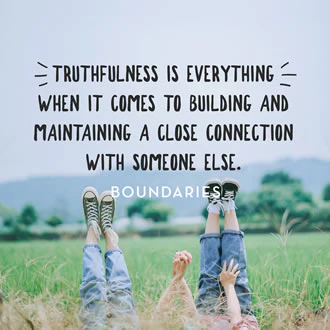
When we talk about radical transparency, it’s not about sharing every thought in your head but being honest about your intentions, feelings, and actions. Truth is a foundational element of trust. In relationships, hiding or distorting the truth erodes trust, leaving wounds that may be hard to heal.
In Christianity, people refer to Jesus as “the truth” (John 14:6), and many spiritual practices celebrate truth as well. Living authentically and truthfully is essential for real connection, helping people feel safe and vulnerable with each other.
Takeaway: Radical transparency allows you to live authentically, fostering deep trust in your relationships.
3. Boundaries: Honoring the Space Between
“Any confusion of responsibility and ownership in our lives is a problem of boundaries.” — Dr. Henry Cloud & Dr. John Townsend, Boundaries
Proverbs 4:23 reminds us, “Above all else, guard your heart, for everything you do flows from it.” Establishing and maintaining boundaries is one way to guard your heart, ensuring that the people around you understand and respect your limits.
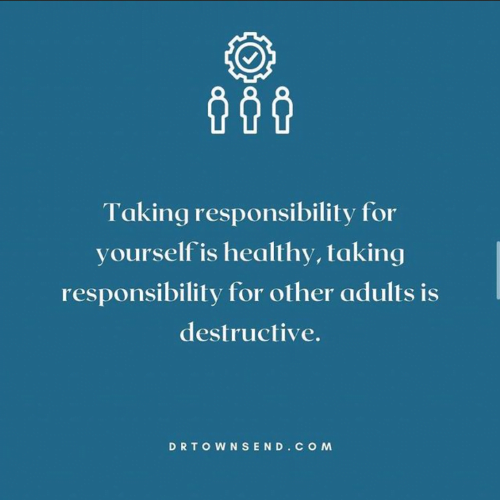
Healthy boundaries aren’t about controlling someone else’s behavior. Instead, they’re about setting limits to protect your own emotional and mental well-being. As Cloud and Townsend explain, boundaries are about taking responsibility for your own feelings and allowing others to do the same. They aren’t about manipulating or controlling others.
Cloud and Townsend explain that boundaries should lead to natural, proportionate consequences, not hold someone responsible for things beyond their control. When these boundaries are crossed, it is crucial to follow through with appropriate consequences. Enforcing these consequences isn’t about punishing someone; it’s about protecting your peace and upholding the standards you’ve set for your well-being.True boundaries teach us to take responsibility, not to cast blame.
Consequences: The Key to Effective Boundaries
Setting a boundary without enforcing it is like locking the door but leaving the key in the lock. If someone repeatedly crosses your boundaries, it’s vital to follow through with natural consequences that directly affect that person—not others. This keeps the responsibility where it belongs: on the person who violated the boundary.
I’ve seen firsthand how not enforcing consequences only led to more boundary-crossing and emotional harm. Initially, it felt easier to blame myself or distance myself from unrelated relationships instead of holding the person responsible. Over time, I learned to direct the consequence at the individual who crossed the line, not at myself or innocent bystanders, as the key to healthy boundaries.
Takeaway: Honor boundaries that protect your emotional well-being but avoid using them as a tool for control.
4. Keeping Promises: The Sacredness of Integrity
Every promise kept strengthens the bond of trust; every broken promise weakens it. In spiritual traditions, covenants and promises are sacred. Kept promises solidify the foundation of trust. The more reliable you are with your commitments, the stronger the trust becomes.
However, unkept promises create cracks, leading to disappointment. This doesn’t mean we need to be perfect, but when mistakes happen, acknowledging them and working to make amends is essential to rebuilding that trust.
Takeaway: Keep your promises, no matter how small, to maintain and strengthen trust in your relationships.
5. Empathy: The Heart of Emotional Intimacy
Empathy is more than understanding someone’s feelings—it’s stepping into their shoes and truly seeing the world from their perspective. Cloud and Townsend remind us that empathy allows us to care for others without taking on the responsibility for their actions or feelings.
In relationships, empathy builds deeper connections, fostering understanding and emotional intimacy. However, a lack of empathy often leads to disconnects, where one person feels unseen or misunderstood.
Takeaway: Practice empathy by truly listening and seeking to understand your partner’s experiences, building a foundation of mutual respect and trust.
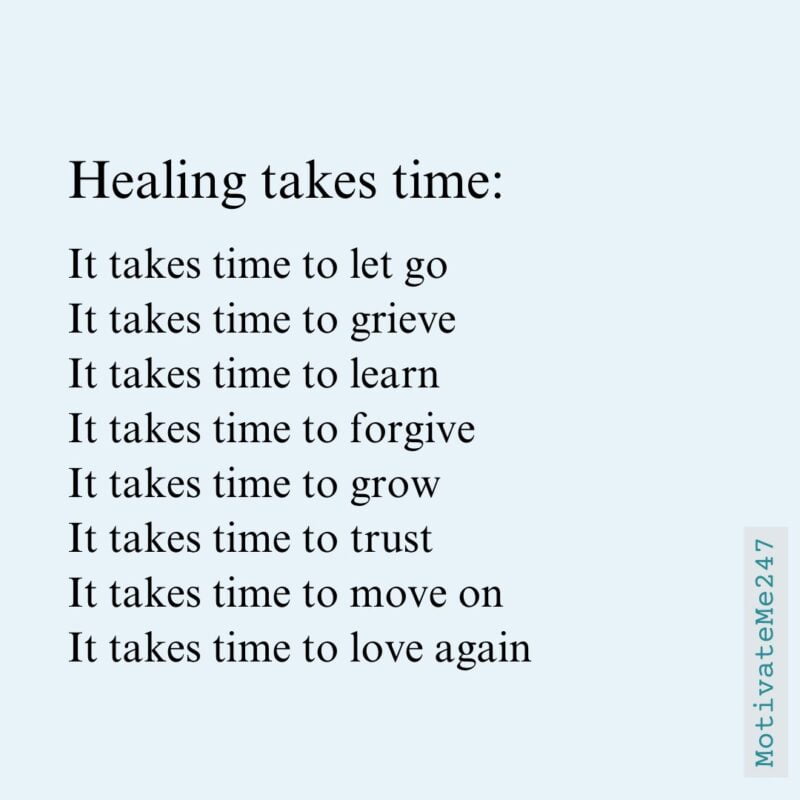
6. Time: Trust Takes Time to Heal
Just as relationships take time to grow, so does trust. After a betrayal or a breakdown in communication, the road to rebuilding can feel long and uncertain. In their teachings, Cloud and Townsend explain that trying to rush this process often leads to superficial healing. Therefore, true healing takes time, patience, and intentional actions.
The spiritual journey of forgiveness and healing, much like the seven days of creation or the journey toward enlightenment in other traditions, indeed reminds us that meaningful transformation is gradual.
Takeaway: Give yourself and your partner the time needed to rebuild trust, rather than rushing the process.
7. Forgiveness: Releasing the Past to Rebuild the Future
Forgiveness is one of the most powerful tools in healing, but it doesn’t mean forgetting or excusing the harm done. Trust and forgiveness are connected, but they are not the same. While forgiveness releases the emotional weight of the hurt, trust must be earned through changed behavior over time.
Cloud and Townsend also speak of the importance of forgiveness in relationships—particularly as a way to avoid bitterness or resentment. However, it’s essential to remember that forgiveness doesn’t mean an automatic return to trust. You can forgive someone without placing blind faith in them.
Takeaway: Forgiveness allows healing to begin, but trust must be earned through consistent, reliable actions.
Conclusion: Trust Earned Over Time
Mutual respect lays the groundwork, while consistent actions, honesty, and empathy earn trust. By following these seven trust-building secrets—being consistent, transparent, honoring boundaries, keeping promises, practicing empathy, allowing time for healing, and embracing forgiveness—you can build or rebuild your relationships.
So, if you’re ready to dive deeper into trust-building and relationship recovery, join our supportive community. Together, we can walk the path toward healthier, more trusting connections.
Miriam T. Zion is a name that reflects two hearts, two stories, and one shared mission: to bring hope, healing, and encouragement to those walking through life’s hardest battles. Inspired by the biblical prophetess Miriam, who led with strength and faith, we chose this name to honor the power of God’s grace in our lives. Zion reminds us of victory and the promise of restoration—a testimony to how God turns trials into triumphs.
Download Our Fillable Domestic Violence Bug-Out Bag & Safety Plan Strategy Guide. Visit our Domestic Violence Resource Page. For anonymous, confidential help available 24/7, call the National Domestic Violence Hotlineat 1-800-799-7233 (SAFE) or 1-800-787-3224 (TTY) now.
This website uses cookies to ensure you get the best experience.
Frequently Asked Questions
Contact Form
How can I access “member-only” articles and content? Sign up for our blog subscription, basic membership, or premium membership.
How can I make a donation? You can make a donation on our online donation form. Donations benefit victims of Domestic Violence and are tax deductible.
Which payment methods are accepted? We accept all major credit cards for our premium membership. Donations can be made using a credit card or PayPal. Digital products on our site, IE e-books, can be purchased using a credit card or PayPal. Physical books are sold on Amazon.com, and our merchandise is sold through Printify.
What is your refund policy? Our website accepts donations, and all proceeds from our digital products, books, and merch benefit our nonprofit mission. Therefore, we do not generally provide refunds. For a complete overview of our refund policy, please visit our“Refund Policy” page.
How can I access my account? To access your account, you can visit our quick links menu and select the “Account” link or click below:
Can I request that you post an article or resource link on your website? YES! You can send us topic requests, or if you have an article you’d like us to consider for publication, you can send it to us in the contact form and put “Article Publication Request” in the subject. If you are a business or organization requesting an article publication, we require a backlink to be placed on your website back to the article our site. If you would like us to consider your website link as a potential resource on our domestic violence search engine, we require a backlink to our site’s resource page which hosts our custom search engine for domestic violence resources. For domestic violence resources to be added to our search engine, please send us a message including the subject: “Resource Link Request.” *All articles and reciprocal links must be content related to domestic violence and other relationship topics on our website.
How do I submit a speaking request? To request Wind Haven to speak at your next event, please submit the contact form and put “Speaking Request” in the subject field.
To be considered, the Message Field should contain the following:
Date Requested
Time Requested (i.e. From 11AM to 1PM — Time Zone}
Event Location (City/State)
Event Venue Name
Type of Event (Church Service, Conference, Workshop, etc.)
Your request will be reviewed and someone will follow up with you.
Contact Us
What Your Donation Supports:
General Operations – So we can keep showing up
Survivor Support – Peer-mentorship, trauma recovery, pastoral care, & more
Survivor Resources – Downloadable eBooks, a comprehensive domestic violence resources database, blogs, toolkits, & more
Virtual Recovery Center– Healing courses and content designed by Overcomers for survivors for holistic domestic abuse recovery
Bug-Out-Bag List & Safety Planning – Our flagship bug-out-bag list and fillable safety-plan
Leadership Development– Training Overcomers to lead
Future Initiatives* – Survivor emergency fund and our pioneer nonprofit housing stewardship initiative
*Survivor Emergency Fund
Rent and utility deposit for permanent housing
Emergency relocation
Household furnishings
Transportation
Clothing and personal essentials
Trauma-informed therapy
Groceries
*Nonprofit Housing Stewardship Fund
Safe, healthy, and affordable housing for individuals and families in need
Support for those experiencing homelessness or housing instability
Maintenance, upgrades, and oversight to ensure long-term habitability
Advocacy for fair housing practices and tenant rights
Community education to prevent systemic neglect and unsafe living conditions
Access to resources that promote stability, security, and opportunity for all
Internet usage can be monitored and is impossible to erase completely.
If you need to exit this site quickly, click the purple sticky exit on the left side of your screen.
If you are concerned about internet security & safety due to abuse, close this screen and clear your history, cookies, and browser cache. You can re-open our website in a secure location in a private browser window.
Safe computers can be found at your local library, Internet cafe, shelter, workplace, or computer technology center; avoid using shared computers when researching things like travel plans, housing options, legal issues, and safety plans.