Pastoral counseling is a unique ministry. It is where evidence-based practices meet the transformative power of Scripture. In addition, faith and science work side by side to help souls heal. In this post, you will learn five powerful methods that guide people toward wholeness in Christ. Moreover, whether you work on the front lines of ministry or lead a small group, these tips show you how to use both faith and science as complementary tools.
Method 1: Active Listening in Pastoral Counseling – The Heart of Connection
Active listening is the core of pastoral counseling. First, you must be fully present when someone shares their heart. For example, imagine sitting on a front porch on a warm summer evening. Every word matters. Furthermore, your role is not to fix every problem but to create a safe space for real sharing.
When a person talks about their struggles, repeat back what you hear in your own words. For instance, if they say they feel overwhelmed, you might reply, “It sounds like you are carrying a heavy load. Could you tell me more about what is weighing you down?” Consequently, this simple act builds trust and invites healing.
By listening with care, you build a bridge between scientific methods and spiritual care. In addition, you help the person feel seen and heard, which paves the way for hope.
Method 2: Weaving Scripture with Scientific Insight
Mixing faith and science might seem tricky at first; however, they work well together in pastoral counseling. In fact, you can use biblical truth alongside proven techniques to help people heal.
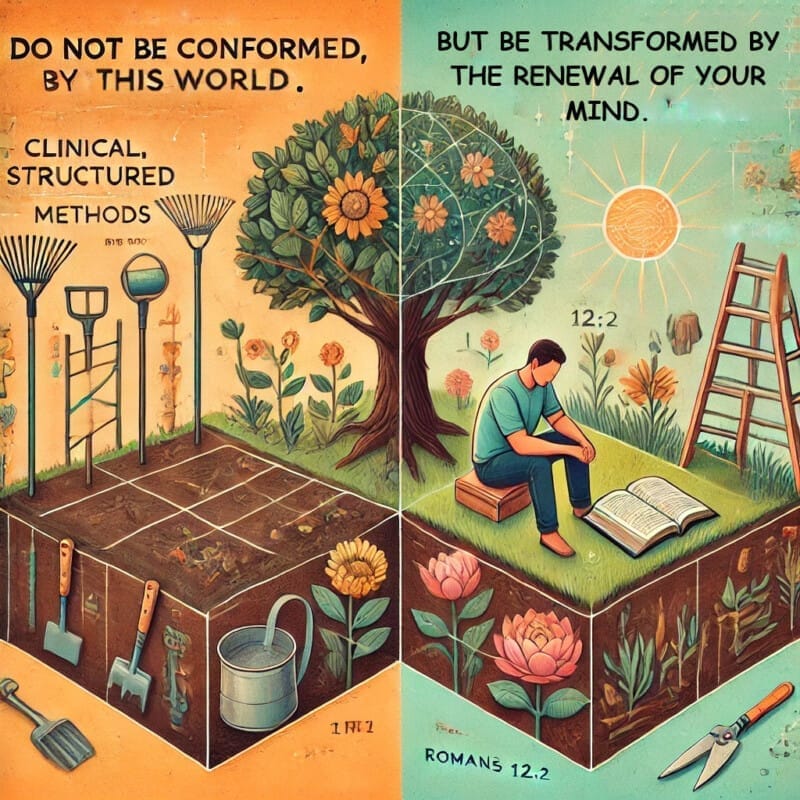
To begin, carefully observe the person’s situation. Then, listen to their story and note their challenges. Next, pay close attention to their feelings and ask about their fears and dreams. After that, gently challenge any negative thoughts. For instance, if someone feels unworthy, remind them of Romans 12:2 (ESV): “Do not be conformed to this world, but be transformed by the renewal of your mind.”
As a result, this simple reminder sparks hope. Moreover, you help replace harmful thoughts with the truth of God’s Word. In this way, you blend scientific insights with spiritual wisdom. Ultimately, your approach becomes a dance between the heart and the mind—a blend that encourages transformation.
Method 3: Empathy in Pastoral Counseling – Embracing the Journey
Empathy stands at the soul of pastoral counseling. When someone comes to you in pain, they need a companion to walk with them. Instead of rushing to fix things, focus on understanding their feelings.
For example, speak from the heart by saying, “I see you are hurting, and I am here with you.” Meanwhile, avoid empty platitudes such as “God never gives you more than you can handle.” In contrast, such phrases can feel hollow when someone struggles deeply.
Additionally, show real care by using gentle, clear words. As a result, empathy builds trust and opens the door to deeper reflection. In short, when you truly care, you spark a light of hope even in the darkest moments.
Method 4: Setting Goals and Nurturing Spiritual Growth
Healing happens step by step. Therefore, pastoral counseling, helps people set small, daily goals that lead to big changes. For instance, encourage simple practices like daily prayer, keeping a gratitude journal, or setting healthy boundaries in relationships.
Suppose someone battles anxiety. In that case, invite them to try a few minutes of mindful breathing followed by prayer. Also, suggest writing down one blessing each day. Over time, these small steps build up and create lasting change.
In addition, your role is to guide them gently on this journey. Even tiny steps help them feel more in control and connected to God. Thus, this steady progress brings both emotional and spiritual growth.
Method 5: The Garden Parable – Cultivating Healing Through Faith and Science
Garden One: The Clinical Approach
Imagine two gardens. In the first garden, the gardener uses modern tools. For example, he sets up high-tech sprinklers, applies measured fertilizers, and follows precise timers. This garden represents a clinical, evidence-based approach to healing. Moreover, the gardener cares for each plant by following strict rules. Consequently, every plant gets what it needs based on scientific methods. As a result, this method fixes specific issues and offers clear, structured results.
Garden Two: The Nurturing Pastoral Approach
Now, picture a second garden. In this garden, the gardener does more than rely on tools. Instead, he spends time with each plant. Furthermore, he talks gently to the blossoms and listens to the rustle of the leaves. In addition, he tends the garden with warm words and gentle care. This garden represents pastoral counseling. Here, you nurture both the body and the soul using practical techniques and the living Word of God.
Initially, you start by observing each person’s unique needs. Then, you learn about the challenges they face. Subsequently, you help them see their struggles from a new, hopeful angle. Finally, you replace negative thoughts with the promise of renewal. In summary, this method grows naturally, with faith and compassion guiding every step.
Bringing the Gardens Together
These two gardens remind us that healing can take many forms. On the one hand, one garden shows the strength of scientific methods. On the other, the second garden displays the beauty of personal care and faith. Therefore, in pastoral counseling, you blend both approaches. You use clear, evidence-based techniques along with spiritual guidance.
Initially, you observe the person’s needs. Then, you identify their challenges. After that, you gently dispute the negative voices. Finally, you replace them with a hopeful vision drawn from Scripture. Overall, this balanced method supports both mind and spirit. Doing so, allows you to work with scientific tools while embracing the healing power of God’s Word.
Bringing It All Together: A Unified Approach to Pastoral Counseling
At its core, pastoral counseling means walking with someone on their journey to healing. In this process, you blend active listening, empathy, and small goal-setting with the truth of Scripture. Think of your work as preparing a warm, hearty stew. First, you start with quality ingredients like careful listening and genuine care. Then, you add the spice of Scripture. Consequently, the final result nourishes both body and soul.
This approach clearly shows that science and faith can work together. In fact, both aim to restore balance and promote well-being. Rather than trying to fix every problem, you guide people toward the healing love of Christ. Moreover, when you recognize your limits, you refer those who need extra help. In essence, your work forms part of a caring community where both faith and science support healing.
Final Thoughts and Encouragement
Pastoral counseling is a sacred mission. To begin with, you bring together the best of scientific methods and the truth of God’s Word. As a result, your role is to help people see that their struggles do not define them. Instead, you offer a path to healing and growth.
Remember, every step counts. In addition, your active listening, empathy, and gentle guidance can spark hope. When challenges feel overwhelming, remind your counselees that healing comes slowly, one step at a time. Furthermore, trust that every small victory matters.
Finally, keep using these methods as you lead with wisdom, compassion, and love. In doing so, let your work in pastoral counseling shine a light on the lives you touch. Ultimately, may you find joy in every step of this journey, and may your ministry continue to grow as beautifully as a well-tended garden.
In closing, if you encounter domestic violence victims or survivors needing specialized care, please refer them to trusted professionals who can offer the support they require. At the same time, for survivors of toxic relationships and abuse, our Overcomer Membership provides a dedicated relationship recovery program designed to nurture healing and foster renewed hope. Remember, reaching out for expert help is a courageous step, and we’re here to walk with you every step of the way.
Keep walking, keep listening, and keep believing. In the garden of life, every soul deserves a chance to bloom.