Healing after toxic love goes beyond just leaving an abusive situation. It’s about turning your pain into strength and finding the parts of you that still shine. Survivors face many challenges. But, with trauma-informed recovery, healing is possible. You can rebuild trust, learn to apply self-care and rediscover your worth. Additionally, we’ll explore strategies to help you break free from harmful patterns. We’ll walk with you toward a future full of hope and strength.
The Impact of Toxic Love
Healing after toxic love starts with observing the wounds left behind. Abuse, whether obvious or hidden, steals your sense of self. It leaves you feeling alone, anxious, and doubtful. These feelings often lead to worry and make it hard to trust others—and yourself. But remember, toxic love isn’t real love. Like a house built on sand, it crumbles under the weight of control, manipulation, and fear (Matthew 7:26-27). True love stands firm like a house built on rock—rooted in mutual trust, respect, and healing.
The wounds may run deep, but they don’t have to define you. Healing begins when you face these painful feelings. While scars are real, they don’t shape who you are. As Psalm 139:13-14 says, “For you formed my inward parts; you knitted me together in my mother’s womb. I praise you, for I am fearfully and wonderfully made.” You were created with a purpose, and no amount of brokenness can take that away.
Recovery is not a straight line. There will be good days and bad days. But every step forward matters. As James 1:4 reminds us, “Let perseverance finish its work so that you may be mature and complete, not lacking anything.” Healing means being patient with yourself and moving through the ups and downs. A house divided against itself cannot stand (Mark 3:25), and the same is true for your heart and mind.
When toxic love leaves you torn between who you were and who you are becoming, choosing healing strengthens your foundation. Recognizing how toxic love hurts you is the first step to turning pain into strength. Each step brings you closer to trusting yourself and finding peace. As Psalm 34:18 assures, “The Lord is close to the brokenhearted and saves those who are crushed in spirit.”
The Power of a Trauma-Informed Approach to Recovery
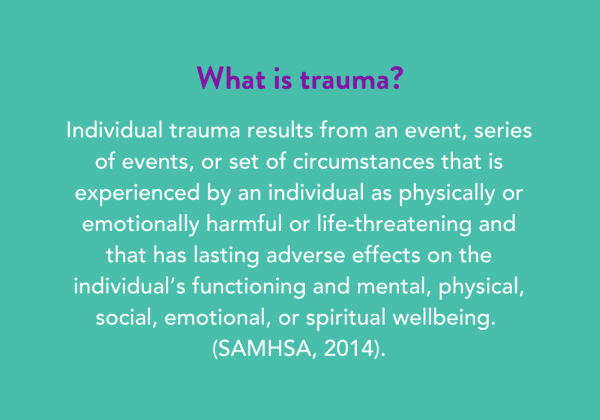
Healing from toxic love requires more than just surface-level fixes. It involves identifying the root causes of your pain through trauma-informed recovery. This approach aligns with our OIDR method and is grounded in God’s Word. While traditional practices often focus on symptom relief, true healing transforms your beliefs and thoughts. Toxic relationships, whether overtly abusive or subtly manipulative, impact every area of your life—from your health to your relationships.
The OIDR method is a powerful tool for healing, supported by scripture.
Observe: Start by noticing negative thoughts and patterns from your toxic relationship. Recognize them without judgment, and pause before reacting. God calls us to reflect and renew our minds (Romans 12:2).
Identify: Reveal the core beliefs behind these thoughts, such as fear, shame, or doubt. Remember, you are fearfully and wonderfully made (Psalm 139:14). Understanding the source of these beliefs helps you separate yourself from your pain.
Dispute: Question the false beliefs you’ve internalized. Ask yourself, “Is this true?” “Does this reflect who I am in Christ?” God teaches us to take every thought captive (2 Corinthians 10:5), rejecting lies and embracing truth.
Replace: Reframe harmful beliefs with empowering truths. Shift from thinking, “I’m not enough” to declaring, “I am worthy of love and respect” because you are made in God’s image (Genesis 1:27). This renewal of your mind is where true healing begins.
The OIDR method empowers you to overcome negative thoughts others may have planted in your mind and embrace the fullness of who God created you to be, rather than blaming yourself.
Creating Safe Havens for Healing after Toxic Relationships
Creating a safe space is a vital part of healing from toxic love. This space lets you process your feelings without fear of judgment. Matthew 11:28 reminds us that God invites us to come to Him when we are weary and burdened, and He will give us rest. Whether it’s a support group, therapy, or a quiet corner in your home, having a safe place to rest your mind, body, and spirit is essential for healing and recovery.
In our Overcomer Membership, we offer resources that help create these safe spaces. Members gain access to relationship recovery courses, masterclasses, a library of e-books, and an exclusive online community. In this supportive space, survivors can share their stories and uplift one another. We are here to help you set healthy boundaries and rebuild trust. As Psalm 34:18 reminds us, “The Lord is close to the brokenhearted and saves those who are crushed in spirit.” We walk with you every step of the way, offering guidance and encouragement as you heal.
Safe havens are more than just physical spaces. Psalm 46:1 reminds us, “God is our refuge and our strength, an ever-present help in trouble.” A safe haven fosters an environment of empathy and respect. In these spaces, active listening and genuine validation become powerful tools for healing. As you share your story and connect with others, you begin to break down the isolation caused by trauma. This process helps you reconnect with the parts of yourself that toxic relationships may have overshadowed.
Nurturing Self-Care in the Healing Process
Self-care is not a luxury—it’s essential when healing after toxic love. Survivors often neglect their own needs, sometimes as a survival tactic during abuse. Prioritizing self-care and showing yourself compassion can greatly impact your recovery.
Start with grounding exercises like deep breathing, meditation, or mindful movement. Journaling is another powerful tool to process thoughts and track your emotional progress. Creative outlets such as painting, writing, or playing music help express feelings that are hard to verbalize. If you’re struggling with daily needs, set a simple goal like taking a salt bath while listening to your favorite playlist.
Self-care isn’t just about physical well-being; it’s about nurturing your emotional and spiritual health. So, carve out time each day for something just for you—sipping your morning coffee or reading a devotional. As Psalm 23:2-3 reminds us, “He makes me lie down in green pastures, he leads me beside quiet waters, he refreshes my soul.” Over time, these practices replace guilt and shame with a growing sense of self-worth and empowerment.
Taking time for self-care honors God, as 1 Corinthians 6:19-20 teaches: “Your bodies are temples of the Holy Spirit… Therefore honor God with your bodies.” By caring for yourself, you’re replenishing your strength fulfilling the command in Matthew 22:39, to “love your neighbor as yourself.” Self-care restores your soul, bringing you closer to the person God intended you to be. Remember, you can’t care for others if you don’t care for yourself first – you can’t pour from an empty cup.
Rebuilding Trust for Healing After Toxic Love
Healing after toxic relationships involves rebuilding trust, setting healthy boundaries, and restoring self-trust. Abuse will break your faith in yourself, others, and even God. However, trust can be restored by taking small steps to lean back into your instincts and trust your judgment again. As Proverbs 3:5-6 reminds us: “Trust in the Lord with all your heart and lean not on your own understanding; in all your ways submit to him, and he will make your paths straight.” Rebuilding trust requires you to believe in your ability to make decisions that serve your well-being.
Setting and maintaining healthy boundaries is crucial for healing after toxic relationships, where boundaries are often disregarded. So, now is the time to redefine what’s acceptable for you. Start small—notice situations where you feel unsafe or undervalued, and practice asserting your needs. Remember, as Matthew 7:7 encourages, “Ask and it will be given to you; seek and you will find; knock and the door will be opened to you.” Through each act of assertiveness, you reclaim your power and reshape how you interact with others. Over time, these actions will help you regain control and shift your life in a healthier direction.
Ultimately, rebuilding trust involves more than just others—it’s also about trusting yourself again. Reflect on past experiences and identify moments when you ignored your inner voice. Use that insight to guide your future decisions. Psalm 25:4-5 beautifully says, “Show me your ways, Lord, teach me your paths. Guide me in your truth and teach me, for you are God my Savior, and my hope is in you all day long.” As you develop these skills, your ability to form healthy, secure relationships will flourish, opening the door to a future of peace and freedom from toxic influences.
Empowering Your Recovery: Embracing a Future Free of Toxicity
Healing after toxic love is about empowerment, reclaiming your power, and understanding that your past doesn’t define your future. It’s also about taking charge of your story, setting achievable goals, and making steady progress toward a brighter tomorrow.
Trauma-informed recovery isn’t just about surviving—it’s about thriving. This means reimagining who you are and discovering a new purpose after trauma. Using resources such as online masterclasses, interactive courses, and support groups centered on empowerment, you develop new skills and gain valuable knowledge. As you do, you’ll realize how capable you are of making informed decisions and creating lasting, positive change in your life.
Moreover, empowerment also involves letting go of the negative beliefs that once held you back. By replacing feelings of inadequacy with affirmations that reinforce your strength and potential, you begin to reshape your mindset. Over time, this internal shift helps you break free from the cycle of toxic patterns, enabling you to confidently step into a future you’ve created on your terms.
The Journey to Healing After Toxic Love: It’s Never Too Late to Reclaim Your Life
Healing from toxic relationships is a journey that requires patience, resilience, and a commitment to self-improvement. While the process may involve setbacks, every step toward healing is a victory. Your past does not define you, and with the right tools, support, and mindset, you can rebuild a life filled with trust, joy, and meaningful relationships.
Whether you are just starting your healing journey or you’ve been working on it for a while, remember that you deserve a life free from toxic love. Embrace the process, celebrate your progress, and know that every day is a new opportunity to grow stronger. Use the OIDR method, self-care, boundary-setting, and the power of support, to take the next step in creating a future full of peace and power.
Your story is not over. Rather, it’s only just beginning.