Have you ever felt stuck in a relationship, relying so much on your partner that it’s hard to tell where you end and they begin? Maybe you’ve found yourself giving up your own needs just to keep the peace, or you’re so afraid of losing them that you’ll do anything to make the relationship work—even when it’s hurting you. If any of this sounds familiar, you are not alone. Many women face the challenge of recognizing the difference between healthy and toxic dependency.
In this article, we’ll look at how to spot the signs of both, how oxytocin (the “love hormone”) plays a role, and what you can do to break free from unhealthy patterns.
What is Dependency in Relationships?
Firstly, let’s define what we mean by “dependency” in relationships. Dependency refers to the reliance you place on your partner for emotional support, love, and care. Within a healthy relationship, this reliance is mutual, balanced, and respectful. But in a toxic relationship, dependency can become imbalanced, with one partner relying too heavily on the other to fill emotional voids or validate their worth.
Healthy Dependency: The Good Kind
Healthy dependency is about trust, support, and mutual respect. You and your partner lean on each other when needed, but neither of you loses your sense of self. It is about knowing that your partner has your back without sacrificing your own emotional autonomy. For example, in my own relationship, my partner and I rely on each other in practical and emotional ways, but we also value our independence. I still have my own hobbies and friends, and so does he. We come together out of choice, not out of fear or obligation.
Toxic Dependency: The Dangerous Kind
In a toxic relationship, dependency becomes suffocating. Instead of providing support, it drains you. One partner might manipulate the other by using fear, guilt, or control tactics to keep the relationship going. However, this kind of dependency is built on insecurity and often leads to emotional harm. Furthermore, you may find yourself walking on eggshells, constantly seeking validation from a partner who never really gives it.
The Role of Oxytocin: Healthy Bonding or Addiction?
Let’s talk about oxytocin, the hormone often called the “love hormone.” Oxytocin is released during moments of closeness, like during a hug, intimate moments, or even deep emotional conversations. This hormone strengthens emotional bonds, making us feel connected to those we love.
Oxytocin in Healthy Relationships
In a healthy relationship, oxytocin enhances trust, safety, and emotional intimacy. When you and your partner have a strong bond, oxytocin helps create those warm, secure feelings of love and connection. It’s like the glue that keeps you emotionally close.
Oxytocin in Toxic Relationships
However, in toxic relationships, oxytocin can work against you. When you’re in a cycle of hurt, followed by short bursts of affection or “make-up” moments, oxytocin gets released, reinforcing that bond. It can feel like you’re addicted to the relationship, even though it’s harmful. This is how trauma bonds form—where you feel an intense attachment to someone, even when they hurt you.
Have you ever heard someone say, “But I love him; I just can’t leave”? Often, what’s really happening is that oxytocin and trauma bonding are keeping them stuck. The emotional highs and lows create a powerful, almost addictive connection that makes it difficult to break free.
Healthy Dependency: Signs You’re in a Balanced Relationship
So, how can you tell if your relationship is based on healthy dependency? Here are a few signs to look for:
- Mutual Respect and Support: You both respect each other’s boundaries, emotional needs, and independence. You give and receive support in a way that feels balanced and fair.
- Emotional Autonomy: While you rely on your partner for love and support, you maintain your own identity. You know who you are outside of the relationship and don’t depend solely on your partner for validation.
- Emotional Safety: You feel safe expressing your needs, emotions, and concerns without fear of rejection or punishment.
For example, someone I know used to be in a toxic relationship where she couldn’t even express her feelings without it turning into an argument. Now, in her current healthy relationship, she can have difficult conversations, knowing her partner will listen without judgment.
Toxic Dependency: Red Flags to Watch For
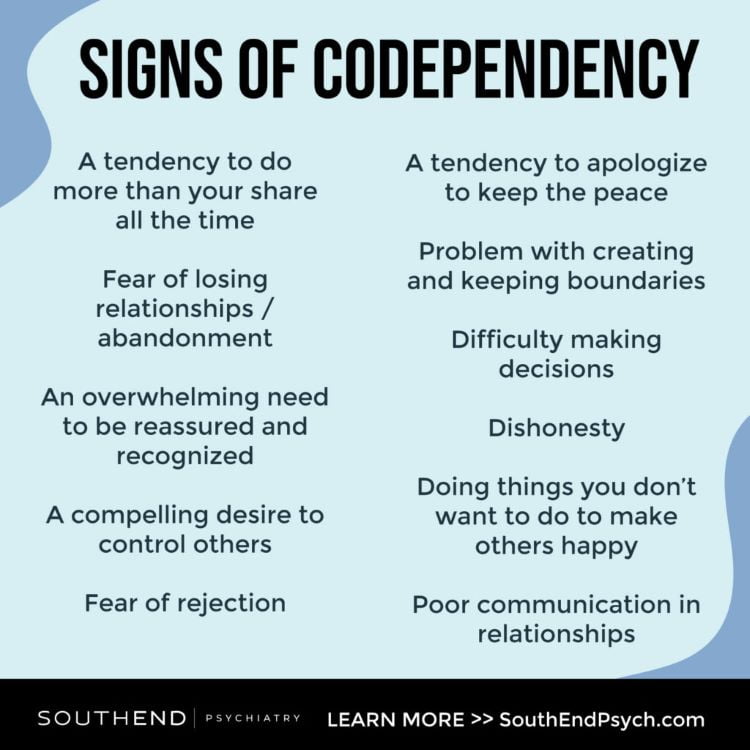
Toxic dependency, on the other hand, often shows up through control, fear, and manipulation. Here are a few red flags that signal an unhealthy dynamic:
- Insecurity and Control: Your partner may demand constant reassurance or try to control your actions, from who you can see to what you can do.
- Gaslighting and Manipulation: Toxic partners often gaslight—making you doubt your reality—or manipulate you into feeling guilty for their behavior.
- The Cycle of Abuse and Reward: Many toxic relationships follow a cycle of emotional abuse followed by “love-bombing”—showering you with affection to keep you hooked. This cycle creates a trauma bond.
In my own experience working with women, I’ve seen how damaging this can be. One woman I know stayed in a toxic relationship for years because every time she thought about leaving, her partner would suddenly become loving and affectionate. That temporary affection released oxytocin, making her feel like things would get better, but the abuse always returned.
Trauma Bonds: Why It’s So Hard to Let Go
When you’re trapped in a trauma bond, it’s not just about the relationship—it’s about the addictive nature of the emotional highs and lows. The combination of emotional abuse, followed by moments of affection, creates an intense emotional bond that’s hard to break.
Signs You’re in a Trauma Bond
- You rationalize the abuse or blame yourself for it.
- You feel extreme highs and lows, swinging between deep connection and emotional pain.
- Despite the harm, you can’t seem to walk away from the relationship.
Oxytocin plays a huge role here because it’s the hormone that makes you feel close and connected to your partner, even when that connection is toxic.
Breaking Free from Toxic Dependency
The good news is that you can break free from toxic dependency. It starts with recognizing the problem and taking steps to heal.
Recognizing the Problem
The first step is acknowledging that you may be emotionally dependent on someone in an unhealthy way. This isn’t about blaming yourself—it’s about understanding that the emotional attachment might be based on a trauma bond, not genuine love.
Detoxing from Oxytocin “Addiction”
To break free, you need to disrupt the oxytocin cycle. This often means practicing emotional distance. Strategies like the No Contact Rule or the Grey Rock Method (where you become emotionally unresponsive to manipulation) can help create space between you and the toxic partner.
Seek Support
Healing from toxic dependency is tough, but you don’t have to do it alone. Therapy, support groups, and relationship recovery programs can offer guidance as you navigate this journey.
Building Healthy Dependency After Recovery
Once you’ve broken free from toxic relationships, it’s time to rebuild healthy connections. Here’s how:
- Re-establishing Trust: Start by focusing on relationships where emotional needs are met in a balanced, respectful way.
- Maintaining Independence: Make sure you’re meeting your own emotional needs first, before becoming dependent on someone else.
- Cultivating Self-Love: Learn to love and value yourself, so you can enter future relationships from a place of strength and security.
Conclusion
The difference between healthy and toxic dependency can change your life. Healthy relationships foster growth, respect, and mutual support. Toxic relationships trap you in cycles of emotional harm. Understanding the role of oxytocin, trauma bonds, and recognizing red flags can help you break free and build healthier, more fulfilling relationships.
Remember, it’s never too late to prioritize your emotional well-being and start your journey toward recovery. You deserve a relationship that lifts you up, not one that holds you down.
References
Earp, B. D., Wudarczyk, O. A., Foddy, B., & Savulescu, J. (2017). Addicted to love: What is love addiction and when should it be treated?. Philosophy, psychiatry, & psychology : PPP, 24(1), 77–92. https://doi.org/10.1353/ppp.2017.0011