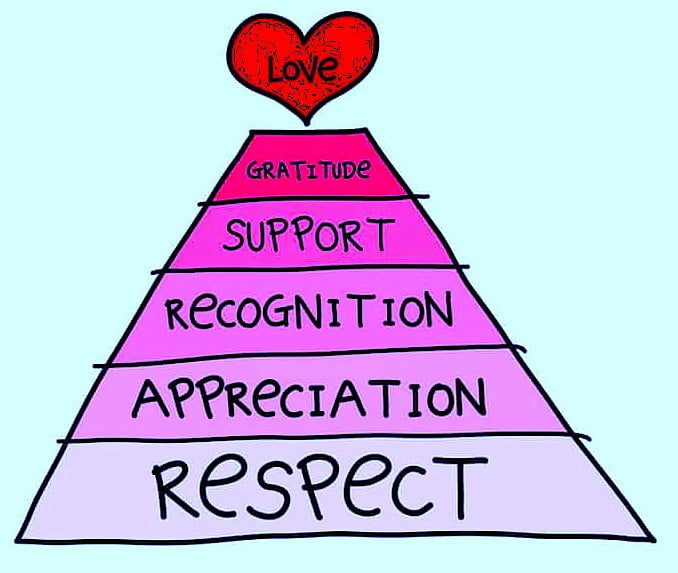
Without mutual respect, even the strongest bonds can fall apart. Respect is more than just being polite or kind—it’s about valuing someone’s thoughts, feelings, and boundaries. If you’re healing from a toxic relationship, mutual respect may feel like a foreign concept, but it’s essential for rebuilding trust, love, and emotional safety.
In this article, we’ll explore what mutual respect looks like, why it’s so important for relationship success, and how to cultivate it in your current or future relationships.
What is Mutual Respect?
Understanding the Basics
Mutual respect is when two people honor and value each other’s thoughts, feelings, and boundaries. It’s not about always agreeing or seeing things the same way, but about acknowledging the other person’s right to their own perspective. It means you’re willing to listen, even when you don’t agree.
Think about it like a partnership where both people are equals. In a respectful relationship, both partners are heard, their boundaries are honored, and their individuality is appreciated. When respect is at the core of a relationship, trust, and emotional intimacy naturally grow.
Respect is Essential in Healthy Relationships
Respect builds the emotional safety that every healthy relationship needs. Without it, you’re left feeling undervalued, invisible, or even controlled. When you respect your partner and they respect you, you create an environment where both people feel safe to be themselves.
If you’ve been in a toxic or controlling relationship before, this can be a new and sometimes difficult concept. You may have been in situations where your opinions, needs, or feelings were disregarded, leading you to question your self-worth. But mutual respect isn’t just possible—it’s essential for the healthy relationship you deserve.
Signs of Mutual Respect in a Relationship
So, how do you know if mutual respect exists in your relationship? Let’s break it down with some clear signs:
1. Active Listening
Respect means truly listening to each other—not just waiting for your turn to speak. It’s when your partner genuinely tries to understand your feelings and thoughts. You’ll feel heard, even when your opinions differ.
Example: Think about a conversation with your partner. When you’re talking about something that’s important to you, do they put their phone down, make eye contact, and ask questions to understand better? That’s a sign of respect.
2. Valuing Boundaries
Healthy relationships require boundaries. Mutual respect means understanding that both you and your partner have individual limits and honoring them is non-negotiable.
Example: Maybe you need alone time to recharge. A respectful partner won’t push you or make you feel guilty about needing space. Moreover, they understand that boundaries are there to protect the relationship, not divide it.
3. Equal Say in Decision-Making
In a mutually respectful relationship, decisions are made together. Whether it’s about finances, future goals, or everyday choices, both voices matter. There’s no power struggle or control over one another.
Example: You and your partner are deciding how to spend a holiday. Instead of one person making the decision, you sit down together and weigh each other’s preferences, arriving at a solution you both feel good about.
Mutual Respect in Relationship Recovery
When recovering from a toxic relationship, mutual respect may feel like something you’ve never experienced. Toxic relationships often involve manipulation, control, and a lack of consideration for your needs.
Self-Respect is the First Step
Before you can build mutual respect with a partner, you have to start by respecting yourself. Self-respect means believing that you’re worthy of love, kindness, and care. It’s knowing that you don’t have to accept disrespect just to avoid conflict or keep someone happy.
I once knew someone who came out of a relationship where her partner always dismissed her opinions, making her feel small. She began to think her voice didn’t matter. Through recovery, she learned to speak up for herself and set boundaries. This shift in self-respect helped her attract healthier relationships where her opinions were valued.
Moving Away from Control and Manipulation
In toxic relationships, control is often mistaken for love. You might have experienced situations where your partner dictated your decisions, how you dressed, or even who you could talk to. But, mutual respect breaks that cycle of control. It creates a space where both partners have equal say, free from manipulation.
Forgiving your past and healing is a big part of relationship recovery. Mutual respect is the vehicle that will help you move forward.
Steps to Cultivate Mutual Respect
Now that we’ve covered what mutual respect looks like, how can you cultivate it in your relationships?
1. Practice Open Communication
Good communication is at the heart of respect. Expressing your thoughts and feelings honestly, without fear of judgment or retaliation, is essential. Likewise, listening with the intent to understand your partner’s perspective, even when you don’t agree, strengthens respect.
Example: Instead of shutting down during an argument, say, “I feel hurt when you dismiss my feelings. Can we talk about this?” This opens the door to respectful communication, where both voices are heard.
2. Set and Honor Boundaries
Respect can’t exist without boundaries. You need to know what’s okay and what isn’t—both for yourself and your partner. Therefore, clearly defining and honoring these boundaries shows that you respect each other’s individuality and personal needs.
Example: If your boundary is not checking in with your partner multiple times a day, communicate that. A respectful partner will honor it, even if it’s different from their own preference.
3. Develop Empathy
Empathy means putting yourself in your partner’s shoes and trying to understand their feelings. This doesn’t mean you always have to agree, but it does mean you acknowledge their emotions as valid.
Example: If your partner is stressed from work, instead of getting frustrated when they seem distant, try saying, “I can see you’ve had a tough day. How can I support you right now?”
4. Commit to Personal Growth
Mutual respect involves continuous growth—both as individuals and as a couple. When both partners commit to personal development, the relationship naturally becomes stronger.
Example: Whether it’s through therapy, personal reflection, or even reading relationship books together, working on yourself helps you become a better partner.
Challenges to Maintaining Respect in Your Relationships
Even in the healthiest relationships, maintaining respect can be challenging. Life’s stressors, differences in values, and personal insecurities can strain a relationship. So, here’s how to overcome these obstacles:
1. Differences in Values or Lifestyles
You won’t always see eye to eye, and that’s okay. Respect means accepting your differences and finding ways to compromise.
2. Stress and External Pressures
External pressures—like finances, work, or family dynamics—can make it easy to slip into disrespectful behaviors. It’s crucial to recognize these stressors and find healthy ways to cope.
3. Past Traumas or Insecurities
Sometimes, past wounds resurface, making it hard to maintain respect. Addressing these traumas through therapy or self-reflection is vital for healing and maintaining a respectful relationship. Additionally, seeking support from others who have been where you are and are a little further along in their journey can help guide you towards healing.
The Long-Term Benefits of Mutual Respect
When mutual respect is present, the relationship becomes a safe, supportive space for both partners. Here’s what you can expect:
- Strengthened Emotional Intimacy: Respect builds emotional safety, leading to deeper intimacy.
- Healthier Conflict Resolution: Disagreements become opportunities for growth instead of battles for control.
- Greater Relationship Satisfaction: Partners who respect each other report feeling happier and more fulfilled.
Conclusion: You Deserve Respect in Your Relationships
Mutual respect is the foundation upon which all other aspects of a relationship—trust, love, and support—are built. Without it, relationships become one-sided and unbalanced. Whether you’re healing from a toxic relationship or building a new one, mutual respect should be a non-negotiable element in your journey.
Remember: You deserve to be respected, and once you experience it, you’ll see how it truly is the #1 ingredient for relationship success.