When people talk about intimacy, many immediately think of the physical side of a relationship. But intimacy is much deeper than just physical connection—true intimacy involves emotional closeness, trust, and vulnerability. In fact, emotional closeness helps form the foundation of a healthy physical relationship.
If you want to build a lasting, fulfilling relationship, understanding the role of both emotional and physical connection is essential. This article explores how emotional intimacy enhances physical connection, the difference between transactional and reciprocal love, and explains why intimacy should never be treated as a “deal.” It also highlights the role of oxytocin, the love hormone, in bonding.
Transactional Relationships vs Reciprocal Love
What is a Transactional Relationship?
A transactional relationship happens when intimacy—whether emotional or physical—is treated like a trade. One partner may offer love or affection only when they want something in return. Think of it like this: “I’ll spend time with you if you do the dishes,” or, “I’ll be affectionate if you buy me that new phone.”
Transactional relationships are often unfulfilling and feel more like a business deal than a loving partnership. There’s a sense of “keeping score,” which creates distance rather than bringing you closer together. While it might not be obvious at first, this kind of dynamic can slowly erode the trust and emotional connection in a relationship.
My friend once told me how her relationship felt like a constant trade-off. If she didn’t offer affection, her partner would get distant and withhold emotional support. Over time, this wore her down, making her feel like love was a job she had to work for rather than a gift freely given.
Reciprocal Love: What It Looks Like
Reciprocal love, on the other hand, is based on mutual respect and a genuine desire to give and receive love without expecting something in return. In a reciprocal relationship, both partners invest in the emotional and physical health of the relationship out of care for each other, not because they’re trying to “earn” love.
When love flows freely in both directions, intimacy—both emotional and physical—comes naturally. You don’t have to trade or negotiate for it. It’s simply an extension of the bond you share.
Emotional vs Physical Intimacy
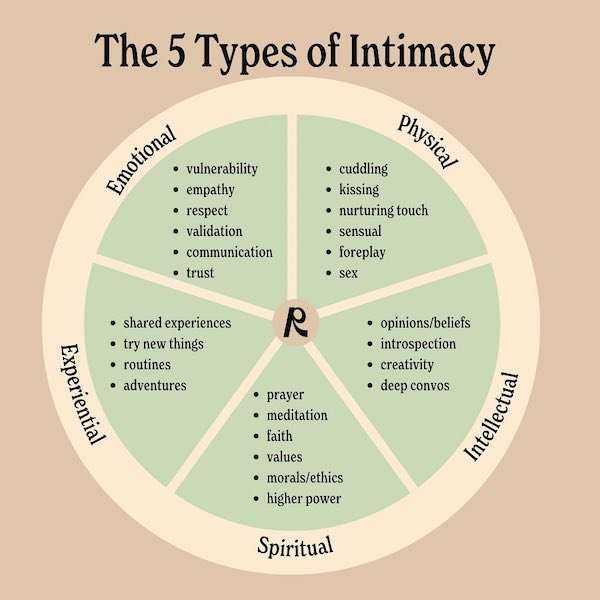
What is Emotional Intimacy?
Emotional intimacy is the deep connection that comes from sharing your true thoughts, feelings, and fears with someone. It is when you feel safe to be vulnerable without being judged or dismissed.
This kind of closeness allows you to build trust, communicate openly, and connect on a level that goes beyond surface-level attraction. Emotional closeness is often the key to making a relationship last because it builds the foundation for everything else—including physical intimacy.
Think about the first time you shared a deeply personal experience with someone and felt truly understood. The essence of emotional intimacy is feeling seen and accepted for who you are. It’s the kind of closeness that makes you want to open up more, trust deeper, and connect on a level that’s hard to describe.
Physical Intimacy: More than Just Sex
Physical intimacy is not just about sex. It includes all forms of physical closeness—hugging, holding hands, cuddling, or even sitting close to each other. These small gestures of physical touch build a sense of security and emotional connection.
In a healthy relationship, physical closeness is an expression of love, not an obligation. When physical touch happens naturally in a loving, emotionally intimate relationship, it strengthens the bond between partners. Physical intimacy often feels empty and unsatisfying when separated from emotional intimacy.

The Role of Oxytocin in Building Intimacy
What is Oxytocin?
Oxytocin, often called the “love hormone,” releases when you engage in physical touch, such as holding hands, hugging, or sexual activity. This hormone plays a key role in helping people feel bonded and connected. It’s why new mothers feel a special bond when holding their newborns and why couples who cuddle after a long day feel emotionally recharged.
Oxytocin is not just released during physical touch—it is also produced when you share deep emotional experiences with your partner. Conversations where you feel heard, understood, and supported release oxytocin, deepening your emotional connection. So, even though we call it the “love hormone,” oxytocin is about much more than just physical affection. It also underpins emotional intimacy.
How Emotional Closeness Enhances Physical Intimacy
Emotional Closeness as the Foundation of Physical Intimacy
When emotional closeness is strong, physical intimacy feels more fulfilling. Why? Because emotional closeness creates an atmosphere of trust and safety. You can be vulnerable without worrying about being judged, and this opens the door to a more satisfying physical connection.
Many couples find that when they’re emotionally distant, their physical relationship suffers. On the flip side, those who prioritize emotional connection experience deeper satisfaction when they engage in physical intimacy. Emotional closeness allows for better communication around boundaries, preferences, and desires.
Reciprocal Intimacy in Physical Connection
In reciprocal love, physical intimacy isn’t about meeting a checklist of needs or desires—it’s about deepening the emotional bond between partners. Both partners feel valued and seen, which leads to a more meaningful connection.
Contrast this with relationships where emotional closeness is absent. Physical intimacy in those cases often feels like a transaction, leaving one or both partners feeling unfulfilled.
My friend once shared how she felt disconnected from her husband despite their frequent physical closeness. They were going through the motions, but something was missing. After working on their emotional closeness by having deeper conversations, spending more quality time together, and really listening to each other’s feelings, they found that their physical intimacy became much more fulfilling. It wasn’t just about being together physically anymore—it was about deepening their connection.
Practical Tips to Build Emotional Closeness and Enhance Physical Connection
Communicate Openly and Honestly
The first step to building emotional closeness is open, honest communication. Share your thoughts, fears, and desires with your partner, and listen actively when they share theirs. The more you communicate on an emotional level, the deeper your bond will grow.
- Tip: Set aside time each day for meaningful conversation without distractions. It doesn’t have to be hours—just 10-15 minutes of real talk can make a huge difference.
Build Trust with Small, Consistent Acts
Trust is the foundation of both emotional and physical intimacy. Show up for your partner in the small things—whether it’s helping with chores, being there when they need support, or remembering the little details they care about.
- Tip: Consistently doing small, kind things for your partner builds a sense of security and trust, which paves the way for deeper intimacy.
Prioritize Non-Sexual Physical Touch
Physical touch doesn’t always have to lead to sex. In fact, non-sexual touch is one of the most powerful ways to build both emotional and physical closeness. Holding hands, cuddling, or even giving your partner a hug when they’re stressed releases oxytocin and strengthens your bond.
- Tip: Make it a habit to show physical affection throughout the day, whether it’s a kiss before work, a hug after a long day, or simply sitting close while watching TV.
Create Emotional Intimacy Rituals
Establish rituals that foster emotional intimacy. This could be something as simple as a weekly date night, daily gratitude lists shared with each other, or taking time to reflect on the positive aspects of your relationship.
- Tip: Pick one or two rituals that feel meaningful and commit to them regularly. These small, intentional practices build emotional closeness, which enhances physical connection.
Conclusion
Intimacy, both emotional and physical, is crucial for maintaining a healthy, fulfilling relationship. While many people focus on the physical side, emotional intimacy is the key to making the physical connection deeper and more meaningful. Transactional relationships, where love and affection are given as part of a “deal,” can leave you feeling disconnected. But when you cultivate reciprocal love—where both emotional and physical intimacy are freely given—the bond between you and your partner will thrive.
Remember, intimacy isn’t just about grand gestures or lavish displays of affection. It’s in the small, daily acts of love, trust, and vulnerability that you build the foundation for a relationship that is deeply satisfying in every way. Whether through open communication, frequent non-sexual touch, or shared emotional experiences, nurturing emotional intimacy will lead to a more fulfilling and lasting connection in both your emotional and physical relationship.
By focusing on emotional closeness, you’ll find that the physical side of your relationship naturally deepens, becoming a reflection of the love and trust you share. Ready to deepen your relationship and enhance your relationships? Join our supportive community where you can share experiences, get advice, and find resources to help you build stronger, more fulfilling connections. Together, we’ll explore ways to nurture both emotional and physical intimacy. Join us today!
References
How Oxytocin Affects Our Relationships. (2024). Retrieved from https://www.psychologytoday.com/intl/blog/understanding-hypnosis/202402/how-oxytocin-affects-our-relationships