When most people think of domestic abuse, they picture physical violence—bruises, black eyes, and broken bones. But it is far more complex and insidious than just what leaves visible marks. It can sneak into your life in ways you might never expect. If you’ve ever wondered if there’s more to abuse than what you’ve been told, you’re right. Let’s dive into 10 lesser-known forms of domestic abuse that are just as harmful, if not more so, than physical violence.
You might be experiencing abuse if someone consistently tries to control, belittle, or intimidate you, whether through physical violence, emotional manipulation, financial control, or threats. Key signs include feeling fearful, isolated, or helpless in the relationship. Seek help if you’re unsure.
Physical Abuse Beyond Bruises
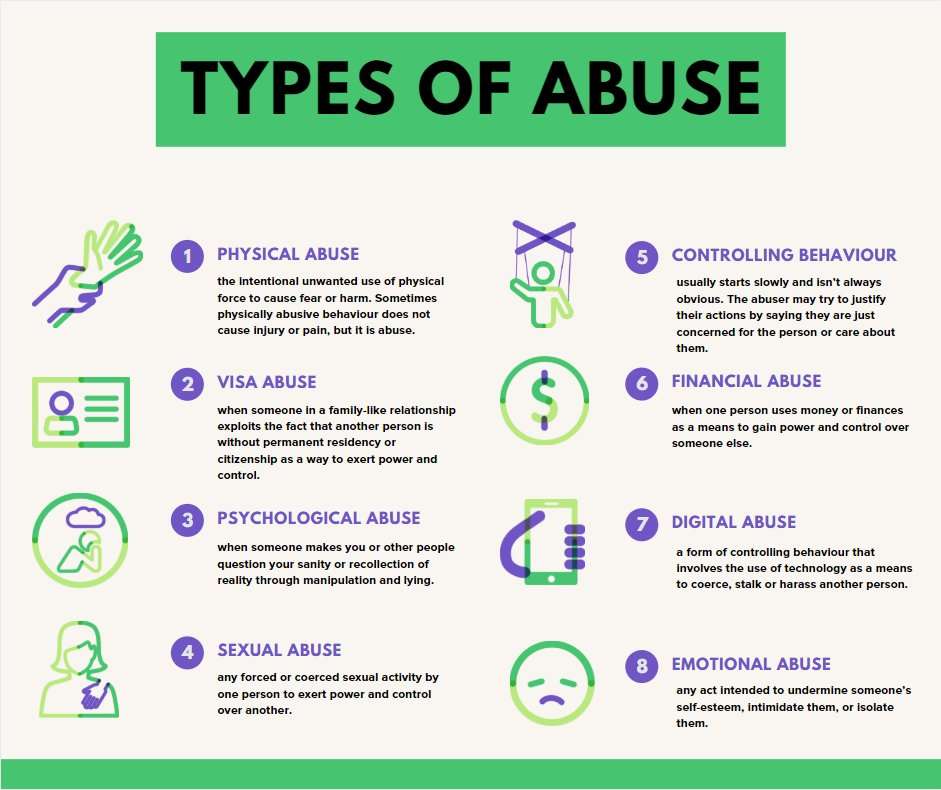
Physical abuse isn’t always about leaving a mark. In fact, some of the most damaging forms of physical harm can go completely unnoticed. Think about sleep deprivation—an abuser might keep you up all night, disrupting your ability to think clearly or function properly. I remember a woman I counseled who wasn’t allowed to sleep unless her husband decided it was time. This left her exhausted, unable to work, and emotionally drained.
Another tactic is reckless driving. An abuser might drive dangerously with you in the car, using the vehicle as a weapon to instill fear and control. Forced drug or alcohol use is another tactic, pushing substances on you to keep you under control. None of these actions might leave a visible scar, but they are clear signs of physical abuse.
Emotional and Psychological Manipulation
Emotional abuse can be just as devastating as physical, if not more so. Gaslighting, for instance, is a form of psychological manipulation where the abuser tries to make you doubt your own reality. They might tell you that events you clearly remember never happened, or that you’re overreacting when you express your feelings. Over time, you start to question your own sanity.
I once knew a woman who was convinced she was losing her mind. Her partner constantly contradicted her memories and made her feel like she was always wrong. It wasn’t until we discussed gaslighting that she realized the problem wasn’t with her—it was with him.
Financial Abuse
Financial abuse is another sneaky form of control. This can range from withholding money, preventing you from working to controlling all the household finances without any input from you. The abuser might give you an “allowance,” forcing you to ask for money like a child, or they might open credit cards in your name without telling you, racking up debt you’re unaware of until it’s too late.
Imagine having no control over your own money, being entirely dependent on someone who uses finances to control you. This kind of abuse can trap victims in abusive relationships, making it nearly impossible to leave because they have no financial means to support themselves.
Digital Abuse
In today’s world, digital abuse is becoming increasingly common. For instance, abusers can use technology to monitor your every move, read your emails and texts, or even track your location using GPS. Additionally, they might demand access to your social media accounts, delete friends they don’t approve of, or even send you threatening messages.
One young woman I knew was constantly bombarded with texts from her boyfriend, demanding to know where she was, who she was with, and what she was doing every minute of the day. If she didn’t respond immediately, he would accuse her of cheating or lying. This constant surveillance was a way to control her, even when they weren’t physically together.
Prevention Tips:
- Use strong, unique passwords for your accounts.
- Disable location tracking on your devices.
- Be cautious about what personal information you share online.
Social Isolation
Abusers often isolate their victims from friends, family, and support systems. For example, they might do this by badmouthing your loved ones, convincing you that no one else cares about you, or even by making it difficult for you to see or talk to others.
For example, an abuser might insist on being the only one you socialize with, or they might “accidentally” schedule things during times you plan to meet friends or family. Over time, you might find yourself increasingly cut off from those who care about you, leaving you more dependent on the abuser.
Signs to Watch For:
- Constant monitoring of your interactions.
- Discouraging you from seeing loved ones.
- Making you feel guilty for spending time with others.
Sexual Abuse
Sexual abuse isn’t just about forced sex; it can include any non-consensual sexual activity. This might involve coercion, where you’re pressured or manipulated into doing things you’re uncomfortable with. It can also include control over reproductive rights—forcing you to get pregnant or to have an abortion against your will.
I recall a young woman who had recently been in the hospital and was prescribed pain medication. She had communicated to her boyfriend that she wasn’t comfortable with intimate activities due to her pain and the medication she was taking. Despite this, he made a troubling comment suggesting he would disregard her feelings. Later that night, while she was under the influence of the medication and unable to fully consent, he proceeded with an intimate act. The emotional impact of this violation was profound, leaving lasting scars that took significant time to heal.”
Signs to Watch For:
- Fear or reluctance to discuss sexual experiences with your partner.
- Feeling pressured or manipulated into sexual acts.
- Control over birth control or pregnancy decisions.
Cultural and Religious Abuse
Abusers can use cultural or religious beliefs to control or manipulate you. They might twist religious teachings to justify their actions or use cultural norms to limit your freedom. For instance, an abuser might insist that you adhere to strict religious codes that keep you isolated or submissive.
One woman I spoke with was told by her husband that it was her religious duty to obey him in all things, including enduring his abuse. For instance, he twisted religious texts to justify his behavior, making her feel like she was betraying her faith if she resisted. As a result, this manipulation not only controlled her behavior but also exploited her beliefs to maintain power and dominance. This form of abuse is particularly insidious because it combines emotional control with spiritual manipulation, creating a powerful sense of guilt and helplessness. Such tactics undermine the victim’s sense of self and use her faith as a tool for further oppression.
Examples:
- Forcing adherence to strict religious practices.
- Using cultural norms to justify controlling behavior.
- Shaming or manipulating based on religious or cultural beliefs.
Stalking and Harassment
Stalking and harassment are forms of abuse that can be terrifying and overwhelming. This might involve constantly following you, showing up uninvited, or bombarding you with unwanted communication. The goal is to make you feel unsafe and to exert control over your life.
I remember someone whose ex-partner would show up everywhere the victim went—her work, her gym, even her friends’ homes. He would send her dozens of texts every day, and when she didn’t respond, he would start calling her relentlessly. She felt like she couldn’t escape him, no matter where she went.
Legal Implications:
- Many jurisdictions have laws against stalking and harassment.
- Victims can often obtain restraining orders to protect themselves.
Coercive Control
Coercive control is one of the most insidious forms of abuse, as it involves a pattern of behavior designed to dominate every aspect of your life. For example, this might include controlling what you wear, where you go, who you talk to, or even how you think.
I knew someone whose partner dictated everything—from the clothes she wore to the food she ate. Also, he would monitor her phone calls and emails and even control her access to information, making her completely dependent on him. Over time, she lost her sense of self, unable to make even the simplest decisions without his input.
Examples:
- Controlling your appearance and daily activities.
- Isolating you from external influences.
- Monitoring and restricting communication.
Legal Abuse
Legal abuse occurs when an abuser uses the legal system as a weapon. They might file frivolous lawsuits, make false accusations, or manipulate custody battles to harass and control you. This kind of abuse is particularly draining because it not only targets you emotionally but also financially and legally.
For instance, I knew a woman whose ex-husband filed for custody repeatedly, not because he wanted to care for their children, but because he knew it would drain her resources and keep her tied up in court. Each time she thought she could move on, another legal battle would begin, leaving her exhausted and financially strained.
Signs to Watch For:
- Repeated legal actions with no legitimate basis.
- Manipulation of legal processes to create stress.
- Use of court orders or lawsuits as a form of harassment.
Conclusion
Domestic abuse is far more than just physical violence. It can take on many forms, each as damaging as the next. From emotional manipulation to financial control, from digital harassment to legal abuse, these tactics can be subtle yet profoundly harmful. Recognizing the full spectrum of domestic violence is crucial for protecting yourself and those you care about.
If you see any of these signs in your own life or in the life of someone you know, take them seriously. Seek help, talk to someone you trust, and know that you are not alone. No one deserves to be controlled, manipulated, or abused in any way. Spread awareness, educate yourself, and take action to break the cycle of abuse.
Resources:
- National Domestic Violence Hotline: 1-800-799-7233
- Online support groups and counseling services
- Local shelters and legal aid organizations
Remember, awareness is the first step toward change. Share this knowledge with others, and let’s work together to put an end to domestic violence in all its forms.