
Conflict can feel overwhelming, especially when emotions run high. It’s something every relationship experiences at some point—whether in a romantic partnership, with family, or a close friendship. While conflicts are natural, the way you respond to them can either deepen wounds or pave the way for healing and connection. Fear, pride, misunderstandings, and resentment often fuel these struggles, but the good news is that peace can always be restored.
With intentional choices rooted in faith, clarity, and practical strategies, you can break cycles of fear and anger. You can learn how to respond instead of react, to choose love instead of pride, and to create space for healing. Let’s explore how faith, trust, and practical tools can transform your relationships and bring peace back into your life.
Why Does Conflict Happen?
Conflict doesn’t just “happen” out of nowhere. Most conflicts arise because of emotional needs that are unmet, assumptions, misunderstandings, or past unresolved pain. Emotional triggers also play a role in fueling conflict. These triggers often link back to past fears, experiences, or expectations. When they activate, they cloud your judgment and make it harder to hear the other person or communicate effectively.
Understanding the root cause of conflicts is a critical first step in resolving them. Most of the time, these triggers are tied to fears that seem insurmountable but are manageable when brought into the light. The key is recognizing patterns, asking the right questions, and learning to approach situations from a fresh perspective.
For instance, ask yourself the following:
- Why am I feeling this way?
- What assumptions might I be making about this person’s intentions?
When you start with self-reflection, you set the stage for transformation.
How Assumptions Keep Conflicts Alive
Assumptions can fuel anger and resentment without you even realizing it. Often, we hear a comment or observe an action and assign meaning to it that isn’t accurate. Instead of addressing our feelings or asking questions, we allow these assumptions to take root. This leads to misunderstandings, defensiveness, and, ultimately, escalation.
One way to counter this is through open and compassionate communication. Instead of jumping to conclusions or allowing fears to dominate your perspective, take a moment to ask. Curiosity allows the opportunity for understanding, and asking questions can dismantle false assumptions before they grow.
Try communicating this way:
- “Can you help me understand what you meant by that?”
- “Is this how you intended for me to feel?”
By approaching conversations with humility and curiosity, you invite peace and trust into the relationship. Effective communication isn’t about proving you’re right; it’s about creating a space for both parties to be heard.
Faith Can Help Shift Your Perspective
The way you view a situation can dramatically influence how you handle it. In times of conflict, it’s easy to focus on fear, anger, or pride. These emotions can lead you into a reactive state. However, faith can shift your perspective from fear to hope. It allows you to see your circumstances through clarity, trust, and love.
Faith isn’t just about religion; it’s about the belief that you are supported and guided through your struggles. Trusting in God can help you let go of pride, fear, and anger. Faith invites you to pause, step back, and rely on divine strength. This perspective creates a space where peace can take root.
The Bible reminds us of this powerful truth:
“Trust in the Lord with all your heart and lean not on your own understanding.” (Proverbs 3:5, ESV)
When you pause to trust in faith, you let go of control and allow God to lead you toward peace. This shift in perspective can make all the difference in the heat of the moment.
Practical Ways to Shift from Conflict to Peace
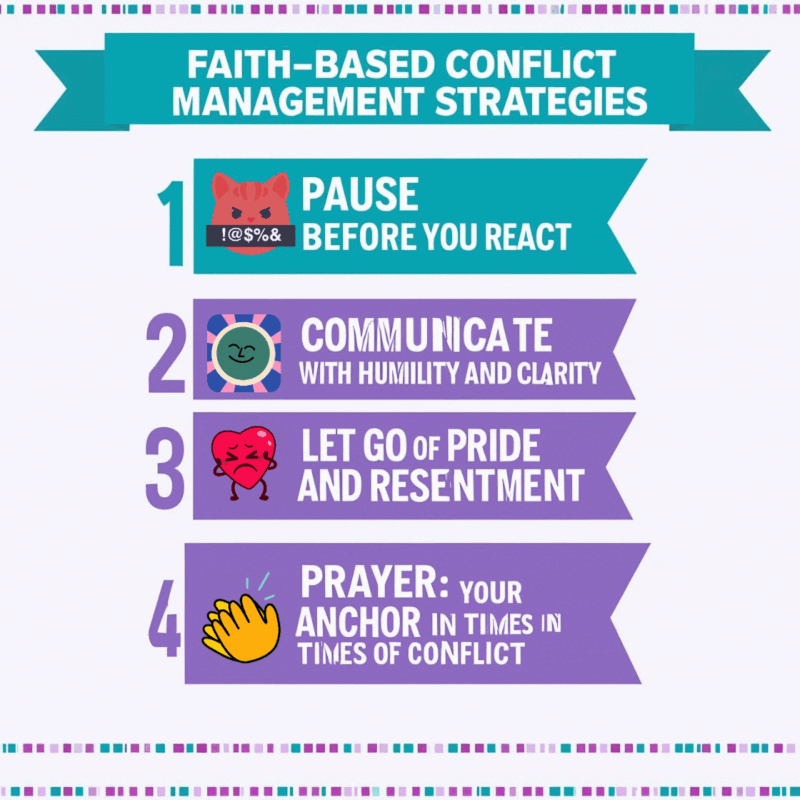
Conflict can be an opportunity for growth when handled correctly. Through small, intentional choices, you can turn fear, pride, and anger into opportunities for connection and understanding. Here are several practical strategies to help you respond differently and move toward peace.
1. Pause Before You React
One of the most effective tools you can use is simply to pause. When emotions are at their peak, the natural reaction is often to argue, shut down, or withdraw. However, taking a moment to stop and pause allows you to respond from a place of intentionality rather than reactivity.
Ask yourself during this pause:
- What am I feeling right now?
- Is this response rooted in anger or peace?
Pausing allows you to separate your emotions from your response, making it easier to approach the situation calmly.
2. Communicate with Humility and Clarity
Humility is key to a peaceful resolution. Instead of placing blame, focus on expressing your feelings honestly. Communication that relies on kindness and understanding fosters connection rather than defensiveness.
For example, replace blame with personal feelings by saying:
- Instead of “You never listen to me,” try, “I feel unheard when we have this kind of conversation.”
This simple shift avoids escalating conflict while allowing you to express yourself.
3. Let Go of Pride and Resentment
Holding onto resentment or pride can be incredibly damaging. These emotions keep you stuck in cycles of anger and misunderstanding. Forgiveness may not come easily, but it is freeing.
Forgiving someone doesn’t mean excusing harmful behavior. It means letting go of the burden of anger. Likewise, pride keeps you focused on “winning” arguments rather than building understanding and connection. Humility creates space for healing and transformation.
4. Prayer: Your Anchor in Times of Conflict
Prayer can center you when emotions threaten to overwhelm you. It creates a space to release fear, anger, and frustration to God. Prayer also allows you to ask for guidance and strength to respond in love rather than fear.
When you pray, you shift your focus from the problem to a place of peace. Even in the chaos, prayer can ground you in faith and hope.
When You Need Extra Help, Professional Guidance Matters
Even with faith and practical tools, some conflicts feel too big to handle on your own. Licensed professionals can offer guidance, tools, and support to help you process triggers, fears, and emotional pain. Therapy allows you to uncover the root causes of repeated conflicts and helps you build strategies to move forward.
If you’re in need, visit Online Therapy. It’s a confidential and supportive space where healing can begin. You don’t have to face this journey alone.
Take the Next Step with the Overcomer Membership
Are you ready to step into healing and peace? Join our Overcomer Membership and connect with a community that understands you. The membership offers resources, guidance, and encouragement to help you overcome fear, heal from past wounds, and build strong, abundant relationships.