Life can be tough. Whether you’ve faced heartbreak, betrayal, or overwhelming stress, it’s easy to feel like your pain is insurmountable. But what if I told you that your pain could be transformed into strength? The journey of holistic healing is not just about getting through the tough times; it’s about coming out on the other side stronger and more resilient. Let’s dive into this journey together, where faith, self-compassion, and community support can lead you toward true healing.
Understanding Holistic Healing
What is Holistic Healing?
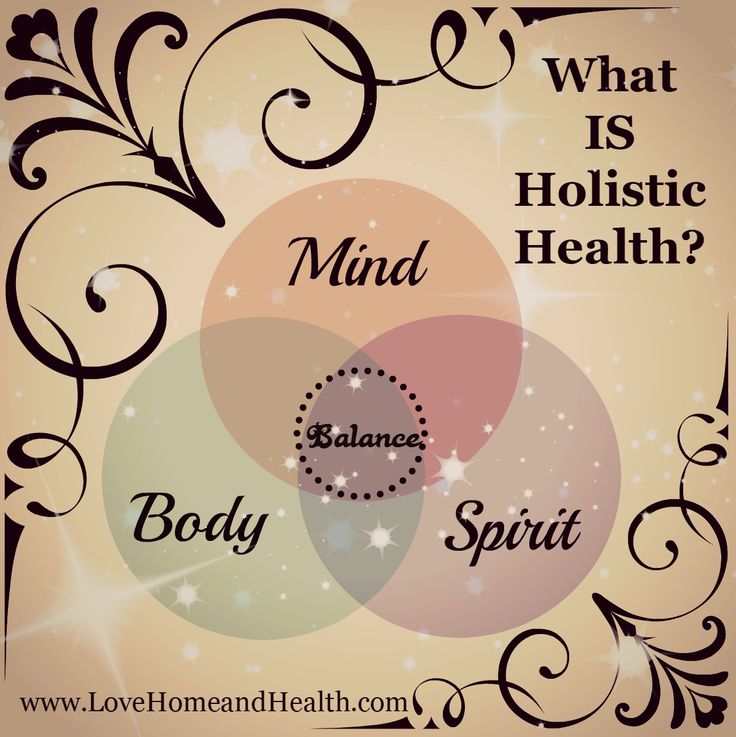
Holistic healing isn’t just a buzzword. It’s a way of approaching your well-being that considers the whole person—mind, body, and spirit. Think of it as a garden. If you want beautiful flowers, you need to nurture the soil, water the plants, and make sure there’s plenty of sunlight. In the same way, your healing journey requires attention to all aspects of your life.
When I first began my healing journey, I was dealing with the fallout from a toxic relationship. I thought I could heal just by focusing on my emotions, but I quickly realized that my physical health and spiritual well-being were also suffering. I learned that true healing comes from a balanced approach.
Why a Holistic Approach Matters
You are not just a collection of problems to be fixed; rather, you are a beautiful, intricate person with unique needs. By embracing holistic healing, you’re saying, “I deserve to be whole.” In doing so, you open yourself up to a broader perspective, one that allows you to explore different avenues of healing. As a result, this approach leads to a more comprehensive sense of well-being, addressing not only your physical health but also your emotional and spiritual needs.
The Role of Faith in Healing
Finding Strength in Spirituality
Faith plays a crucial role in healing. It gives us hope and helps us navigate our challenges with a sense of purpose. Whether you’re grounded in a specific faith tradition or simply open to the universe’s wisdom, spirituality can guide you through dark times.
I remember one particularly hard night when I felt completely lost. I turned to my journal and wrote down my thoughts, praying for clarity. At that moment, I felt a sense of peace wash over me. It was as if the universe was reminding me that I wasn’t alone. Embracing your spiritual side can be as simple as finding quiet moments to reflect, pray, or meditate.
Practical Ways to Incorporate Faith
- Daily Affirmations: Start your day with positive affirmations that resonate with your faith. For example, “I am loved, I am strong, and I am on a path to healing.”
- Prayer and Meditation: Set aside time each day to pray or meditate. Even five minutes of quiet reflection can ground you and provide comfort.
- Read Inspirational Texts: Dive into books or scriptures that uplift your spirit. Stories of resilience can inspire you to push through your challenges.
Embracing Self-Compassion
The Importance of Being Kind to Yourself
When you’re healing, it’s easy to fall into the trap of self-criticism. You might think, “Why can’t I just get over this?” or “I should be stronger.” But let me tell you something: It’s okay to be where you are. Self-compassion is about treating yourself with the same kindness you would offer a friend.
I once met a woman named Sarah who had been through a painful divorce. She felt ashamed for still crying weeks later. I reminded her that healing is not a race; it’s a journey. Just like Sarah, you must allow yourself to feel and process your emotions without judgment.
Tips for Practicing Self-Compassion
- Journaling: Write down your feelings without any filters. Let it all out! Journaling can be incredibly therapeutic and help you process emotions.
- Positive Self-Talk: Replace negative thoughts with positive ones. When you catch yourself thinking harshly, pause and reframe that thought. Instead of “I can’t do this,” say, “I’m doing my best, and that’s enough.”
- Create a Self-Care Routine: Take time for yourself! Whether it’s a warm bath, a walk in nature, or indulging in a favorite hobby, self-care is vital for healing.
Building a Supportive Community
The Power of Connection
Healing doesn’t have to be a solitary journey; in fact, surrounding yourself with a supportive community can provide both encouragement and strength. Furthermore, there’s something truly magical about sharing your experiences with others who understand what you’re going through. As you connect with others, you gain fresh perspectives and emotional support, which helps you realize that you’re not alone in your struggles. Additionally, this sense of belonging can empower you to keep moving forward, even when the path feels difficult.
When I first started attending a local support group, I was nervous. But as soon as I shared my story, I felt a weight lift off my shoulders. The group members listened, supported, and shared their own experiences. Together, we formed a bond that helped each of us heal.
How to Find or Create Your Community
- Join Support Groups: Look for local or online support groups that focus on healing. Sharing your journey with others can be incredibly validating.
- Engage in Faith Communities: Whether it’s a church, temple, or meditation group, find a place where you feel accepted and supported.
- Reach Out to Friends: Don’t hesitate to lean on trusted friends. Sometimes, just talking to someone who cares can make all the difference.
Utilizing Holistic Practices for Healing
Mind-Body Techniques
Practices like yoga, mindfulness, and meditation can help you reconnect with your body and calm your mind. Moreover, these techniques allow you to center yourself, providing a sense of grounding and stillness. Even amid chaos, they offer a way to find peace and restore balance. Additionally, as you incorporate these practices into your routine, you’ll notice that they create a safe space for you to process your emotions and release tension. Over time, this can lead to greater emotional resilience and inner harmony.
I remember my first yoga class. I was hesitant, thinking it wouldn’t help me. But by the end of the class, I felt lighter and more grounded. It was a reminder that healing often comes from unexpected places.
Nutrition and Physical Health
What you put into your body matters! In fact, nutrition plays a significant role in your emotional well-being. By making mindful choices about your food, you can directly impact how you feel both mentally and physically. Furthermore, eating a balanced diet helps regulate your mood and energy levels, ensuring you have the strength to face life’s challenges. Over time, as you fuel your body with the right nutrients, you’ll likely experience increased emotional stability and resilience. Similarly, when your diet supports your well-being, healing becomes that much more attainable.
Consider incorporating whole foods—fruits, vegetables, and lean proteins—into your meals. Try to cook at home when you can. I’ve found that preparing healthy meals not only nourishes my body but also provides a creative outlet and a sense of accomplishment.
Creative Expression as Healing
Art, music, and writing are powerful tools for healing. In fact, these creative outlets allow you to express your emotions in ways that words alone often can’t capture. Furthermore, by engaging with creativity, you’re giving yourself a unique space to process your experiences. Whether it’s through painting, journaling, or playing an instrument, these activities provide an emotional release that helps you heal from within. Over time, as you continue to explore these outlets, you may find that they offer clarity and a deeper understanding of your own healing journey.
I once started painting as a way to cope with my emotions. At first, it felt awkward, but soon, the colors began to reflect my feelings. I poured my heart into each brushstroke, transforming my pain into something beautiful.
Overcoming Obstacles on the Healing Journey
Acknowledging Challenges
Healing is not always a smooth path. You may encounter moments of doubt, frustration, or setbacks. It’s essential to recognize that these challenges are part of the process.
One day, after making significant progress, I faced a triggering situation that threw me off course. Instead of letting it derail my journey, I reminded myself that setbacks are not failures; they are opportunities to learn and grow.
Strategies for Resilience
- Practice Gratitude: Focus on what you’re thankful for each day. Gratitude can shift your mindset and help you find joy in small things.
- Set Realistic Goals: Break your healing journey into manageable steps. Celebrate small victories along the way, as they contribute to your overall progress.
- Seek Inspiration: Surround yourself with positive messages. Listen to uplifting podcasts or read books that inspire you to keep moving forward.
Conclusion
Healing is a deeply personal journey, and it’s one that you don’t have to take alone. Embrace the power of holistic healing by integrating faith, self-compassion, and community support into your life. Remember, transforming your pain into strength is not only possible; it’s a beautiful journey that awaits you. You are worthy of love, healing, and a brighter future.
So, take that first step today! Whether it’s reaching out for support, trying a new self-care practice, or simply giving yourself grace, know that you are not alone. Your holistic healing journey starts now, and together, we can create a path filled with hope, strength, and resilience. Let’s embrace the journey ahead!