BREAKING NEWS: WE DID IT! 🎉
Ethan’s Law has passed the Senate—UNANIMOUSLY! This is a huge step forward in our fight against forced reunification therapy in domestic violence cases.
Friends, family, and advocates, this is a monumental victory for survivors and children across Georgia. Thanks to your support, prayers, and unwavering commitment, Ethan’s Law has officially passed the Senate with a unanimous vote! 🙌
With this law, we are ensuring that survivors and their children will no longer be subjected to further trauma under the guise of “best interests.” Instead, we are advocating for their safety, healing, and dignity in a system that has long overlooked their needs.
This victory is not just ours—it’s YOUR victory. Every petition signed, every message shared, and every voice raised has made a difference. We have proven that when we come together in the name of justice, we can make change.
But this isn’t the finish line; it’s just the beginning! We still have a critical journey ahead as we push for this bill to be signed into law. So, stay with us, keep spreading the word, and let’s continue to show our legislators that we are standing strong for those who need it most.
Thank you for standing with us. Your voice matters. We’re just getting started!
In Georgia, a major change is underway in how courts handle family healing. The new reunification law brings hope to children who’ve suffered abuse. It clears a path out of a legal maze that once put them at risk. For too long, many children were forced back into harmful situations with their abusers. Now, these changes ensure safety and real recovery.
Healing and Reunification
Family healing is supposed to restore bonds after a separation. Originally, it was a bridge for mending relationships after divorce or conflict. Yet, when abused children are forced into contact with the one who harmed them, the cycle is unsafe. For example, a child is finally safe after years of pain. But, instead of finding peace, the child must face the one who hurt them. In such cases, the idea of healing becomes a trap that deepens wounds.
Moreover, forcing a relationship slows a child’s healing. It adds more pain. As a result, a gentle step toward recovery turns into further harm.
The Legal Labyrinth That Endangers Kids
Georgia’s legal system is meant to protect children. Laws like O.C.G.A. §§ 19-9-3, 15-11-2, and 19-7-5 require courts to prioritize the child’s best interests. However, courts have often forced contact with abusive parents. This abuse of the healing process has created a confusing legal maze. As a result, children are trapped in a system that forgets its purpose: protection.
Furthermore, federal orders such as the Child Abuse Prevention and Treatment Act (CAPTA) demand that officers protect children from harm. When courts force contact, they ignore CAPTA’s intent. Consequently, the legal system deepens the trauma instead of easing it.
House Bill 253 and the Promise of Change
House Bill 253, known as Ethan’s Law, marks a turning point. Additionally, this law bans dangerous programs that force children into harmful family reunification. It came from the combined efforts of lawmakers, advocates, and caring organizations. At a recent Judiciary Committee meeting, a member shared the story of four children taken from an abusive home. One brave girl cried, “We’re free!” This moment shows the urgent need for change.
The new law now stops out-of-state family camps and other practices that force dangerous reunification. Lawmakers must make it clear: Every decision must serve the child’s best interest. Wind Haven Foundation helped champion this change. Through our work on Elijah’s Law, we also shared insights to improve reunification practices. It does not matter what the law is called—as long as it protects our children.
Court Practices on Reunification
When Forced Reunification Hurts
In many court cases, judges have ordered reunification camps where abused children must face their harmful parents. Instead of helping, these orders open old wounds. Courts sometimes change custody orders, ignoring the history of abuse. As a result, the process forces children to relive traumatic memories.
For instance, a child might be forced into therapy without a proper safety check. This decision can have lasting negative effects. In every such case, the child’s recovery takes a back seat to legal formality.
Moving Toward True Family Healing
The new law requires courts to check every case carefully. Now, experts must confirm that reunification will help the child. Only when safety is ensured will a family contact plan be allowed. Child welfare professionals must review the child’s emotional and physical state before reunification. This cautious approach puts the child first.
Using clear guidelines, the law changes forced reunification into a process to help healing. Experts now work with social services and courts to tailor reunification to each child’s needs. As a result, reunification becomes a step toward recovery instead of a source of pain.
Real-World Change for Reunification
A Safer Family Contact
The promise of safe reunification is now real. Under the new law, every case will be reviewed with care. Experts will monitor the process to ensure that no child is forced into harm. This careful method respects a child’s pace of recovery. Further, it gives them the support they need to rebuild their lives.
For example, picture a situation where a child is given a choice. Instead of a forced encounter, the child can decide when to meet a parent. This option builds trust and empowers the child. Safe reunification now means that every decision is made with the child’s well-being in mind.
Learning from Past Tragedies
Tragic cases show why change was needed. In Santa Cruz, California, a forced reuniification case led to terrible outcomes. In that case, a family contact order was made despite clear abuse. This decision ended in heartbreak. The new law aims to stop such tragedies. It insists on safety checks and professional reviews before any reunification can happen.
These real-life lessons remind us that legal systems must change. They show that forced reunification is not acceptable when it harms a child. The law now sends a strong message: Every child deserves safe contact and a chance to heal.
How You Can Help Create Change
Stand with Us for Safe Family Healing
The fight for safe family contact impacts real lives. When you support reforms like House Bill 253, you stand with children who need safety and care. Here are some ways you can help:
- Sign the Petition:
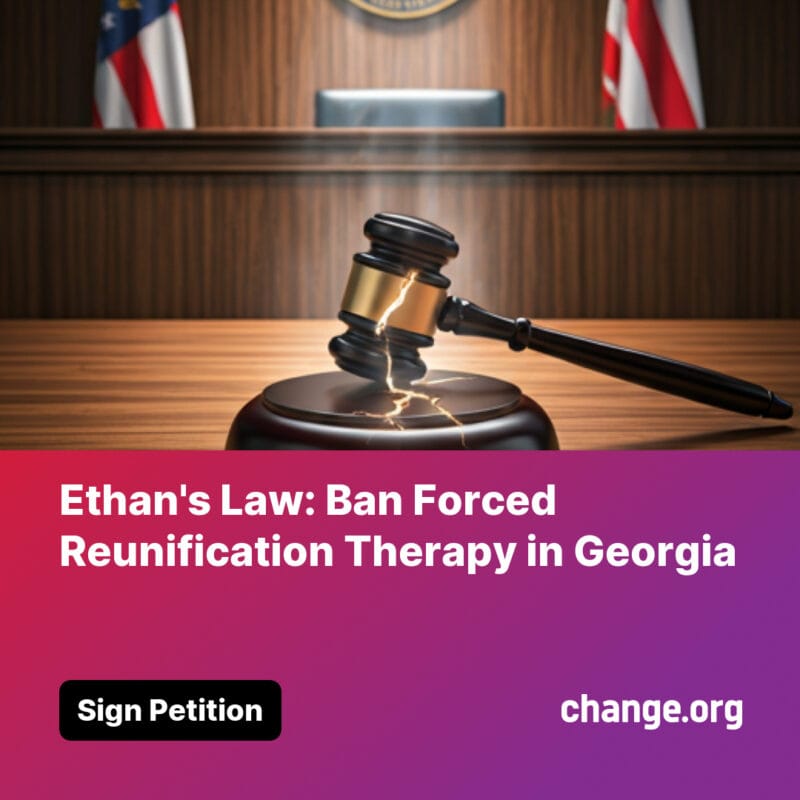
Your voice makes a difference. Add your name to our petition to help make sure this bill passes the Senate. Every signature helps build a safer future for our children. Sign the Petition - Spread the Word:
Share this article and the petition with family, friends, and community members. Use your social media channels to spark conversations about safe family contact. - Contact Your Lawmakers:
Call or email local representatives, like Rep. David Clark of Suwanee. Tell them that children’s safety must come first. Your message can drive change. - Learn More About Our Organization:
Learn about our prevention work on our About Us page. Here, you can learn how we work to protect and empower abuse survivors.
These simple steps can help us reshape the future of family healing. By taking action today, you contribute to a safer legal system for every child in Georgia.
The Need for Safe Contact
Some people worry that any family contact could harm children. However, the new law focuses on safety. It requires experts to make sure the contact is safe for the child. As a result, the law encourages a careful and thoughtful approach.
This reform shows the need for change in legal practices. Prioritizing safety gives each decision real meaning. Family contact is no longer a forced obligation but a supportive process. By relying on licensed professionals, the system can better meet each child’s needs.
The law also uses active monitoring to reduce the risk of further trauma. It makes one thing clear: Every child deserves to heal safely, without fear.
Change Beyond Georgia
While Georgia is leading the charge, its influence will likely reach nationwide. Advocates for child welfare and domestic violence prevention now have a clear example of how to ensure safe family contact. This change in Georgia could motivate other states to follow suit and make similar reforms. As a result, the broader legal system may move toward genuine child protection.
Moreover, this sparks a national conversation about how the legal system handles abuse survivors. By putting safety above rigid procedures, we pave the way for a future where every child can heal and grow. This ripple effect highlights how one state’s reforms can inspire national change.
A Future of Safe Family Healing
One cannot begin healing until safety and stability are first achieved. The walk toward safe family healing faces many challenges. However, Georgia’s new reunification law marks a Goliath-sized step forward. With House Bill 253, courts must protect children rather than force harm. The law turns a confusing legal maze into a clear path toward recovery and safety.
Every action counts. Each minute we delay, this dangerous practice gaslights our children and ignores the harm they’ve experienced. Every signature, every share on social media, and every call to our lawmakers builds a future where children are truly safe. In addition, your support helps to make sure reunification is a step toward healing, not hurt.
Let us work together to make safe family contact the foundation of a new era in child welfare. Let’s create a reality where safety and peace replace fear and harm. And when the next child experiences true freedom, it will be the start of a lifetime of healing and strength.
So, stand today and be part of this vital change. Sign the petition, spread the word, and contact your local legislators. Further, we can make family reunification a path to healing. This will give every child in Georgia hope and a brighter future.
By taking these steps, we create a better world for our children. Let’s build a future where every child in Georgia is safe.